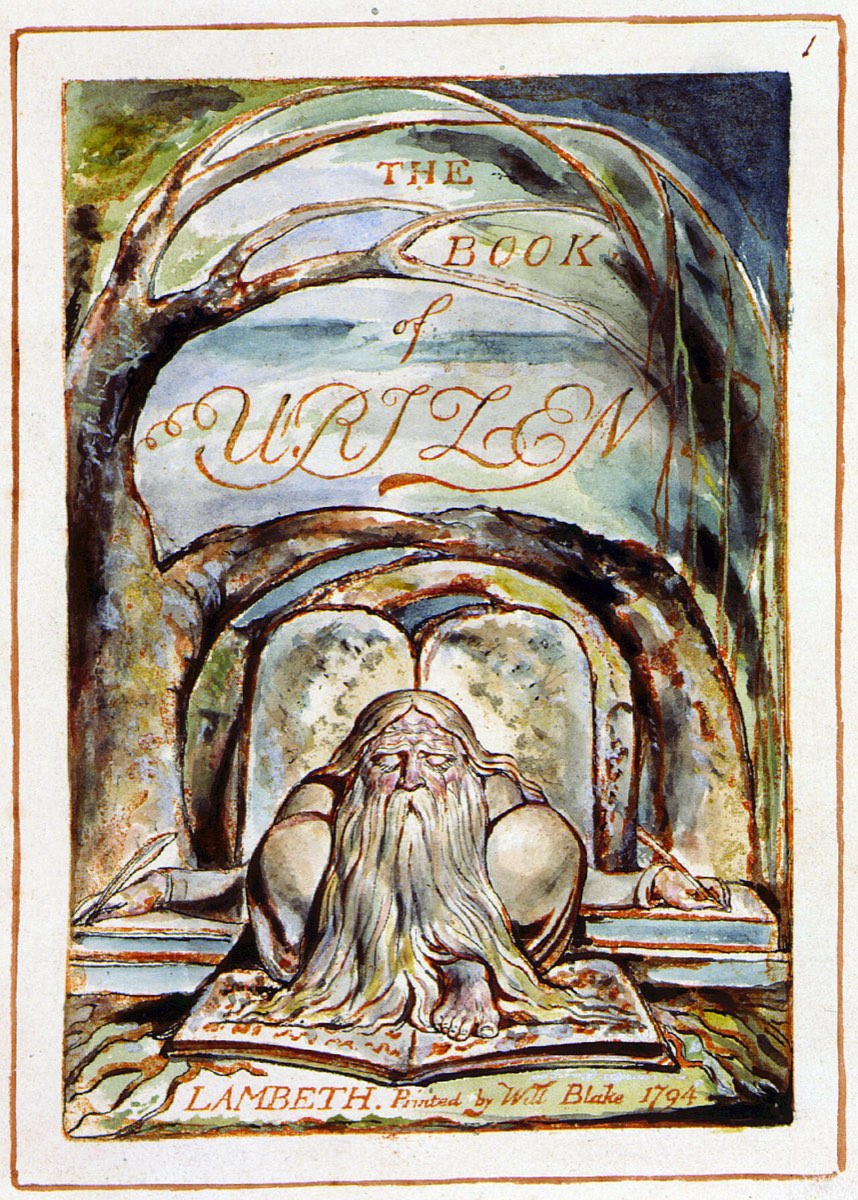
Gnosticism: origins, schools, texts, and what survived the repression
From Roman Egypt to the Cathars, from Jung to The Matrix: how Gnosticism was born, what it believed, how it split, and why the Church fought it.
· 6 min read · Sources

In 1 minute
- Gnosticism emerged between the late 1st and 2nd centuries, blending Hellenistic Judaism, Platonism, and Christianity, and split into schools such as the Sethians, Valentinians, Basilideans, and Ophites.
- Its core is a dualism between the supreme God and an ignorant creator of the material world, with salvation through gnosis, direct knowledge of the inner divine spark.
- The Church fought the movement until it nearly erased it, but its themes reappeared among Manichaeans, Cathars, alchemists, Theosophists, in Jung's psychology, and in fiction.
Full article
Almost everything that was known about the Gnostics, until 1945, came from those who opposed them. The texts themselves had been burned, lost, or hidden. The name comes from the Greek gnosis, “knowledge,” and designates a set of religious currents from the ancient world that placed salvation not in faith or obedience, but in a direct perception of inner truth.
Understanding Gnosticism helps make sense of much of Western esotericism, from alchemy to Jung, and helps gauge how much more varied early Christianity was than it appears in hindsight. What follows covers origins, ideas, schools, texts, the conflict with the Church, and the tradition's later reappearances. It's worth saying upfront: there was never a single system, but many currents with points in common.
Origins
Gnosticism arose in the Jewish and Greco-Roman world between the late 1st and the 2nd century. It drew influence from Hellenistic Judaism, with its speculations on divine Wisdom and its apocalyptic traditions, and from Greek philosophy, especially Middle Platonism. Alexandria, in Roman Egypt, is pointed to as one of its hubs. For many scholars, it was born within early Christianity: the opposition between flesh and spirit, already present in Paul's letters and in the fourth Gospel, would have provided the starting point. Others argue for independent roots in Jewish mysticism or in Essene circles, along with contact with Persian dualism.
Hermetism and Gnosticism grew side by side, especially in Alexandria. Teachers such as Valentinus and Basilides taught in major cities, and Mani carried gnostic ideas to Persia, where Manichaeism was born. The peak came in the 2nd century. From the end of that century on, the Church's reaction pushed the movement into decline, and by the turn to the Middle Ages it had nearly disappeared as an organized religion.
Central ideas
There was much variation, but a few axes recur. The first is a radical dualism. The supreme, good God dwells in a plane of light, the Pleroma, the divine “fullness.” Matter is seen as flawed and as a prison for the spiritual spark.
The second is the figure of the Demiurge, a subordinate and ignorant creator of the physical world. In some systems he is identified with the God of Genesis. His most cited names are Yaldabaoth, Saklas, and Samael. He commands the archons, rulers of the heavenly spheres who keep souls captive.
The third is gnosis itself, understood as experience rather than erudition: recognizing the divine essence within and waking from this world's “sleep.” This knowledge would be reserved for initiates and transmitted through revelation or through a teacher.
The fourth is the fall and return of the soul. Every spiritual person would carry a fragment of light fallen from the Pleroma. Redemption would be the ascent, after death, through the archons' spheres, and many baptism and anointing rites would prepare the adept for it.
Finally comes Sophia, Wisdom. An emanation of the supreme God, she falls while trying to know the Infinite on her own. From the fall are born chaos and matter, and in some systems the Demiurge himself. Sophia is at once responsible for the error and the key piece of its restoration.
Schools
The Sethians venerated Seth, the third son of Adam and Eve, as humanity's spiritual ancestor. They saw the Old Testament Demiurge as a usurper and the serpent of Eden as Sophia's messenger. Their texts include the Apocryphon of John, the Gospel of the Egyptians, and the Apocalypse of Adam.
The Valentinians followed Valentinus, who reportedly taught in Rome around 140 to 160. They spoke of 30 Aeons in the Pleroma and softened the image of the Demiurge, treated as a mistaken creator rather than an evil one. They divided humans into three types: material, psychic (ordinary believers with simple faith), and spiritual, the only ones fit for full revelation. They kept baptism and the eucharist, reinterpreted, and a rite called the Bridal Chamber. The Gospel of Truth is usually linked to them.
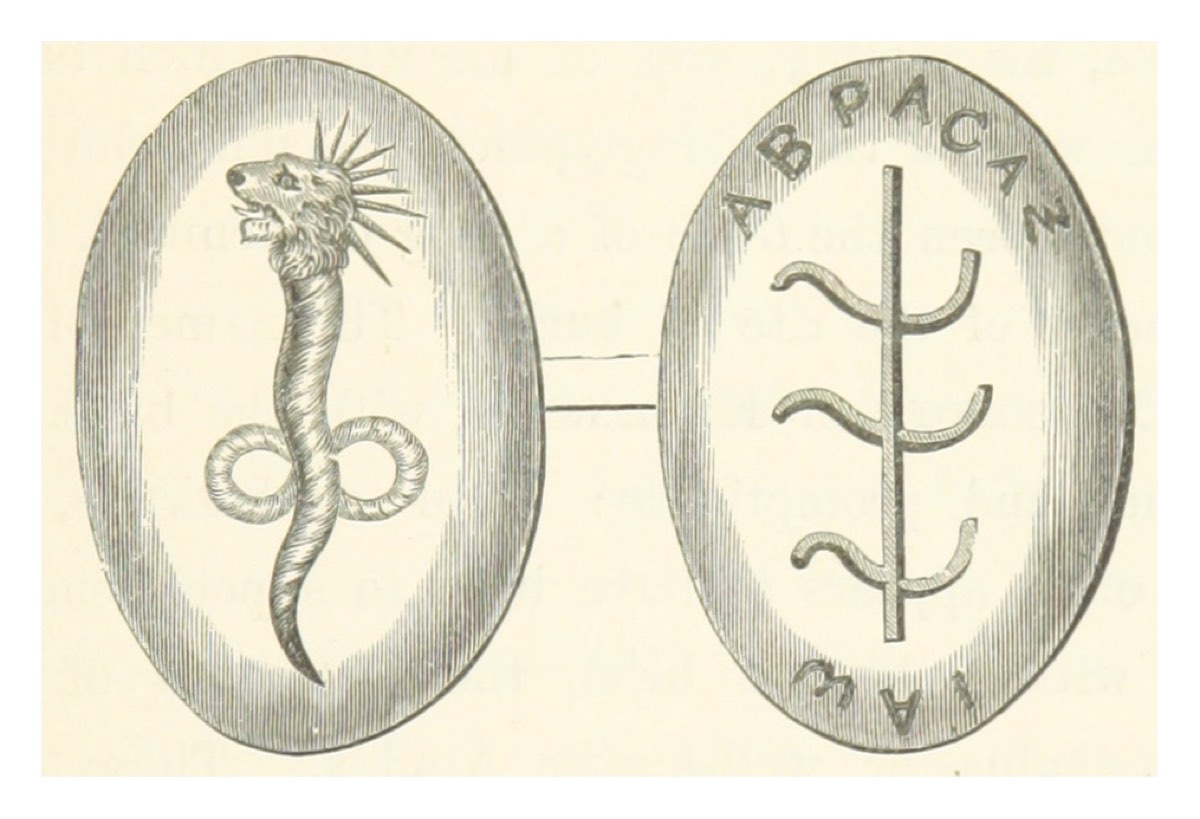
The Basilideans followed Basilides of Alexandria, active around 120 to 140, who claimed to have received his teaching from Glaucias, a disciple of Peter. He taught an order of 365 heavens, each with its own archon, and the principle called Abraxas, whose Greek letters add up to 365. His Christology was docetic, that is, it denied that Christ had truly suffered: Simon of Cyrene would have been crucified in his place.
The Ophites, from the Greek ophis, “serpent,” honored the serpent as a bearer of knowledge. The name may have been used by Christian opponents as a general label. According to accounts by Hippolytus and Epiphanius, for them the god who forbade the fruit was the envious Demiurge, and Eve received a revelation rather than committing a sin. Ancient sources speak of rites with live serpents, likely exaggerated.
The texts
In 1945, peasants near Nag Hammadi, Egypt, found a jar with thirteen papyrus codices in Coptic. They held 52 texts, among them the Gospel of Thomas, with 114 sayings attributed to Jesus, the Gospel of Philip, the Tripartite Tractate, and the poem Thunder, Perfect Mind. The Apocryphon of John appeared in four versions and works as a kind of gnostic Genesis.
Other works were already known. The Pistis Sophia, from the 3rd century, sits in a codex acquired by the British Museum in the 18th century and tells of Sophia's fall and repentance in dialogue with the risen Christ. The Gospel of Mary surfaced in fragments in the 19th century. The Gospel of Judas, released in 2006, shows Judas as the disciple who best understood Jesus.
The conflict with the Church
Around 180, Irenaeus of Lyon wrote Against Heresies, in five books, to refute Valentinians, Sethians, Basilideans, and others. Tertullian and Hippolytus followed the same path. In the Nicene Creed of 325, the statement that God created all things visible and invisible rejected the idea of an evil creator. In 367, Athanasius of Alexandria had non-canonical books removed from Egypt's churches, and it is likely that the Nag Hammadi codices were buried around that time. At the end of the 4th century, edicts by Theodosius declared the remaining groups heretical.
No systematic state persecutions are known, but the small, discreet groups were pushed to the margins. For centuries, what was known of the Gnostics were summaries and caricatures from their opponents.
What carried on
Manichaeism, founded by Mani in the 3rd century, combined Christianity, Zoroastrian dualism, and Buddhist ideas, and reached Central Asia and China. Augustine was a Manichaean before fighting it. In the Middle Ages, the Bogomils of Bulgaria and the Cathars of southern France and northern Italy held that the material world was the work of an evil principle. The Albigensian Crusade (1209 to 1229) and the Inquisition wiped out the Cathars by around 1350.
Alchemists, such as Zosimus of Panopolis, treated the purification of metals as an allegory for the purification of the soul. In the Renaissance, Ficino and Pico della Mirandola recovered hermetic and Platonic texts, though they kept the “ancient theologians” separate from the condemned Gnostics. Rosicrucians and branches of Freemasonry claimed a symbolic lineage.
In the 19th century, Helena Blavatsky's Theosophical Society, founded in 1875, celebrated the Gnostics, and in 1890 Jules Doinel founded the Gnostic Church in Paris. Carl Gustav Jung saw in gnostic symbols, such as the Pleroma and Sophia, archetypes of the unconscious. In 1916 he wrote Seven Sermons to the Dead, fictitiously attributed to Basilides, and compared individuation to gnosis.
Jorge Luis Borges, Philip K. Dick, the Wachowskis with The Matrix, Grant Morrison, and Alan Moore have also been read in this light, for dealing with illusory worlds and awakenings. The recurring interest suggests that unease with an imperfect world and the suspicion of a truth behind appearances never needed a Church to stay alive.
Sources and references for this article
Karen L. King, historical introduction to The Nag Hammadi Library in English
Irenaeus of Lyon, Adversus Haereses (Against Heresies)
Elaine Pagels, The Gnostic Gospels
Hippolytus of Rome, Refutatio, and Epiphanius, Panarion (on Basilides)
Stephan Hoeller, Jung and the Lost Gospels
Jorge Luis Borges, lecture on the treasure of the Gnostics (1977)
Gnosticism, Wikipedia (in Portuguese)Nag Hammadi library, Wikipedia (in Portuguese)Translated from Portuguese. This article was rewritten from a post on the original blog, in Portuguese. Read the original
Get the best articles of the week
One email a week, no spam. Unsubscribe anytime.
Read next
 Western esotericism · VideoThe Apocryphon of John, the Gnostic text where the world is born of a flaw
 Western esotericism · VideoWhat was Gnosticism: a dualist heresy, or a path of self-knowledge?
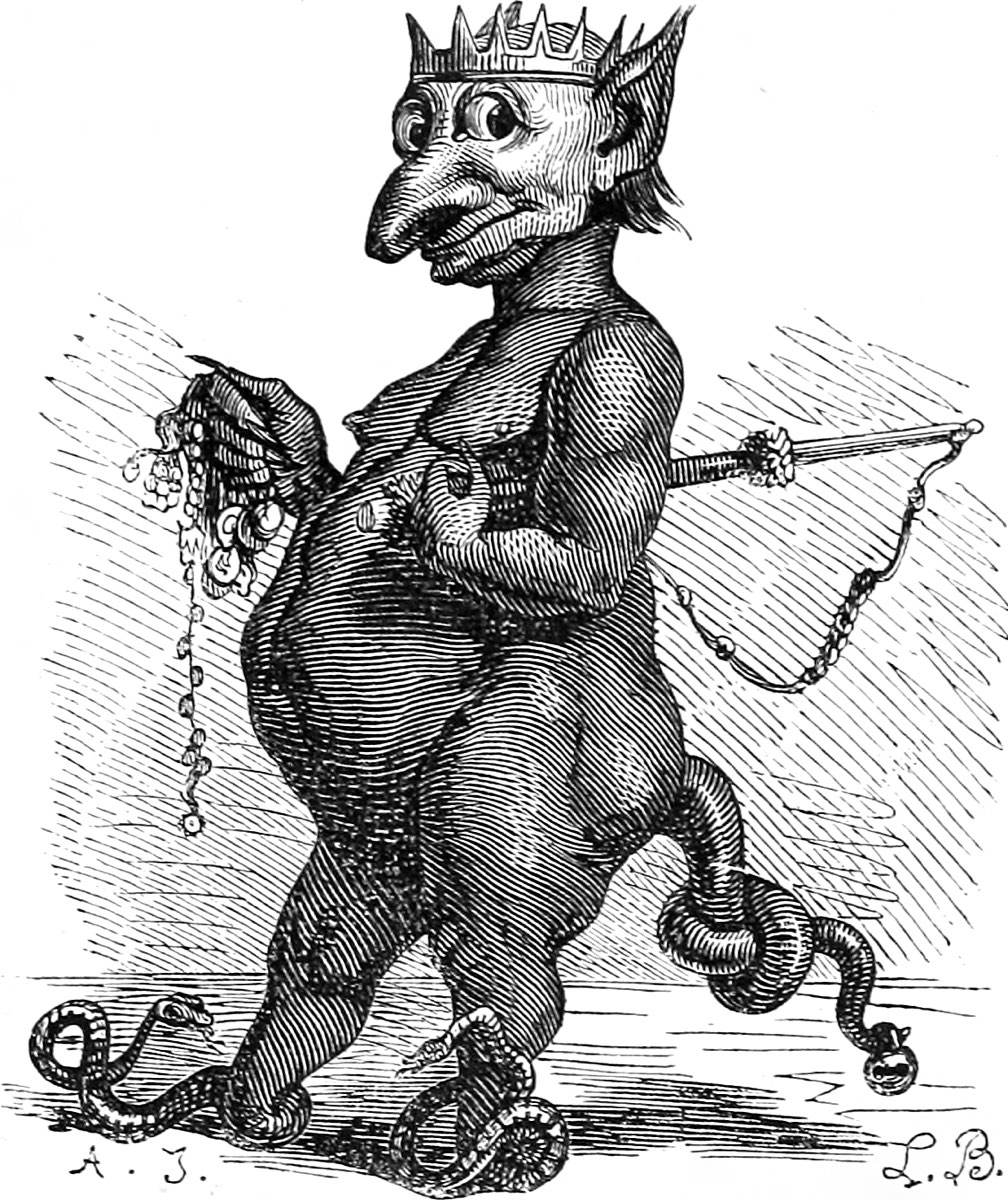 The EastThe Book of Mirdad: Mikhail Naimy's parable on the self, silence, and the word
 Vedanta and YogaGita, lesson 20: consciousness isn't in the world, the world is in it
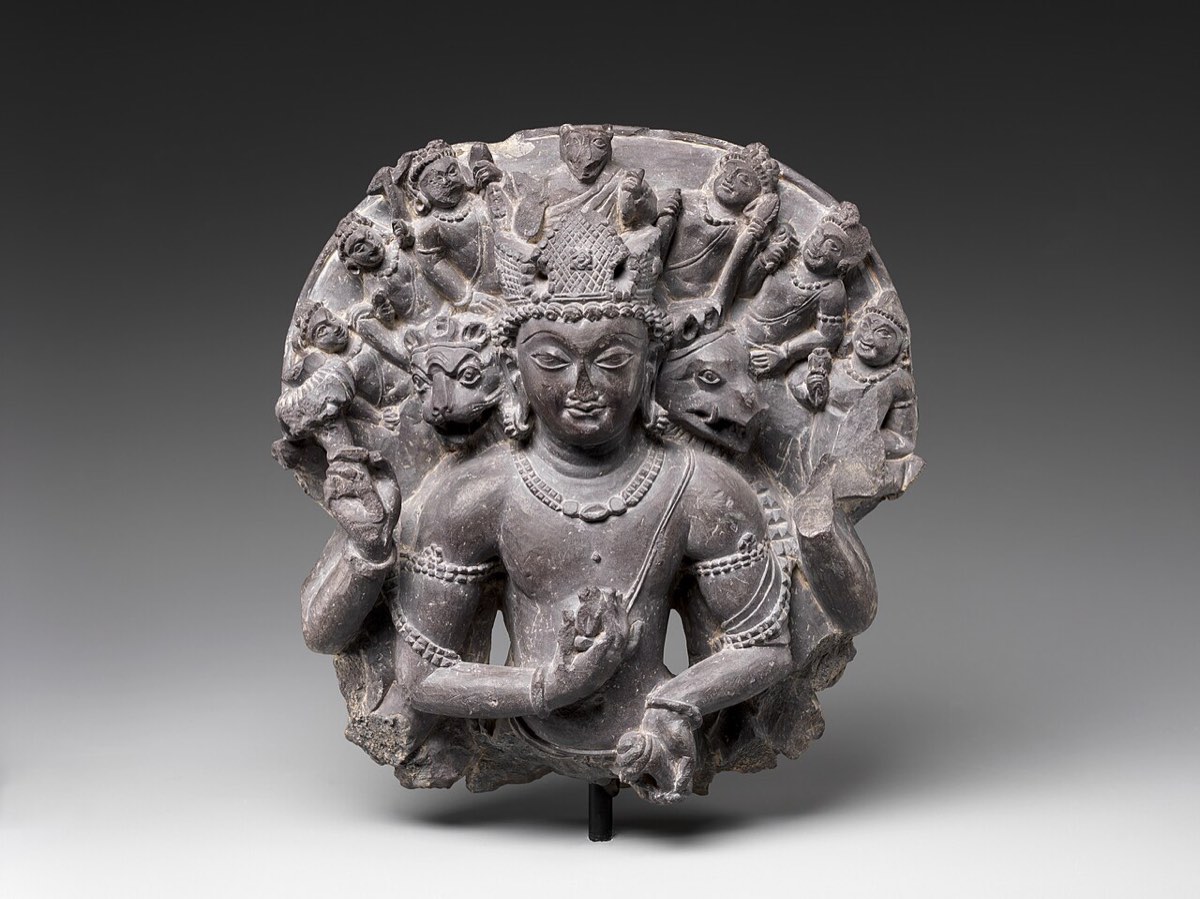 Western esotericism · VideoThe world as mistake and gnosis as the way out: the Gnostic cosmology of the archons