The Apocryphon of John, the Gnostic text where the world is born of a flaw
Written in the 2nd century, the Apocryphon of John tells of a universe born from a mistake by Sophia and ruled by a false god, from which only gnosis frees.
· 3 min read · Sources

In 1 minute
- The Apocryphon of John, a 2nd-century Gnostic text, holds that the visible world was born of a flaw: Sophia, wisdom, wanted to create without the Father's consent.
- From that flaw arose Yaldabaoth, an ignorant creator who believes himself the only God and rules through the archons; Sophia, however, places a spark of light in the human being.
- In this account, the prison is ignorance and the way out is gnosis, direct knowledge of the soul's divine origin.
Full article
In most religious traditions, the universe begins with a deliberate act of creation. The Apocryphon of John tells something else: the visible world is born of a mistake. Written in the second century, the text belongs to Gnosticism, a current of early Christianity that orthodox Christianity fought. Rather than preaching a creed, it presents a myth about God, creation and salvation.
It is worth knowing for two reasons. It is one of the most complete expositions of Gnostic thought, and it was one of the works the Nag Hammadi discovery, in Egypt, returned to the public in the twentieth century. What follows describes what the text claims, without treating it as history.
A condemned, rediscovered text
Bishop Irenaeus of Lyon cited the Apocryphon of John in his Against Heresies, written around 185, among the "secret" writings that, according to him, rival communities produced. Of the original, four manuscripts survive today: three in codices II, III and IV of the Nag Hammadi library, found in 1945, and a fourth found in Egypt about fifty years earlier. All the surviving copies date from the fourth century.
The text presents itself as a revelation given by Jesus to the apostle John after the ascension, which explains its name. It belongs to Sethian Gnosticism, one of the strands of the movement.
From the One to Sophia
The narrative begins with the One, the supreme reality, silent and incomprehensible, also called the Invisible Father. From it emanate spiritual beings, the aeons, expressions of the divine. One of them is Sophia, wisdom, who wishes to create on her own, without the Father's knowledge, and produces something deformed: Yaldabaoth.
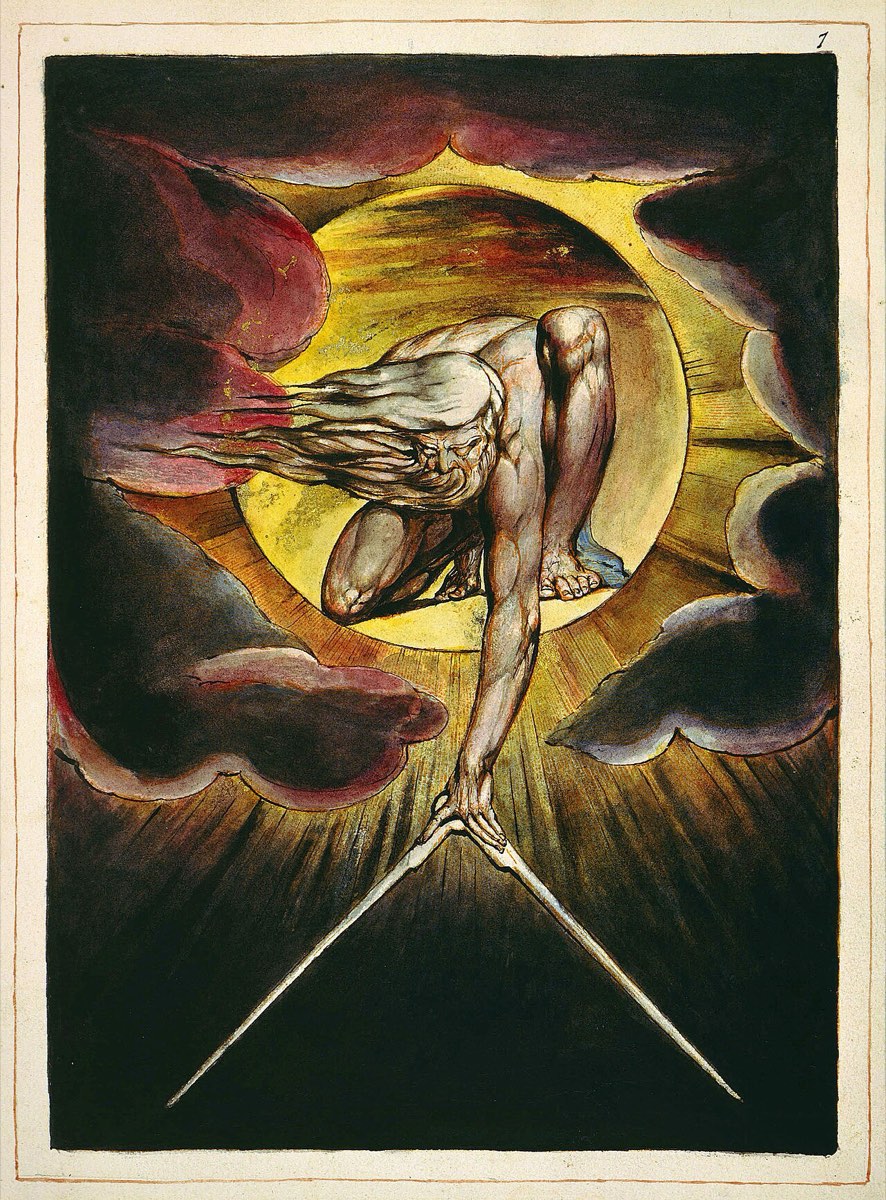
The name, which scholars interpret in different ways, appears in Gnostic texts alongside epithets such as "fool" and "blind god." Yaldabaoth is the demiurge, the craftsman who shapes the material world. Not knowing he descends from Sophia, he believes himself the only God and fabricates a cosmos that reflects the light in a distorted way. To watch over it, he installs angels, thrones and powers, the archons.
The spark and Eden in reverse
Repentant, Sophia has a spark of the true light introduced into the human being, the Anthropos or Primordial Man. The body is shaped by the archons, but only comes alive once it receives the spark.
The text reinterprets Genesis. Eve is not to blame for the fall: she is the one who leads Adam to the wisdom that awakens him, and the episode of the fruit becomes the first step of consciousness, which threatens the archons' control. Expulsion from Eden results not from disobedience, but from beginning to see what lies behind the illusion. It is a deliberate inversion of the orthodox reading, and one of the reasons Gnosticism drew such hostility.
Ignorance as prison, gnosis as the way out
In this view, matter is not evil in itself; it is the result of a creation cut off from full wisdom. The prison is not hell, but ignorance, sustained by false beliefs and by powers that present themselves as absolute. Jesus appears as a messenger who reminds humans of who they are, not as a savior who pays a price.
Liberation comes from gnosis, the Greek word for knowledge: knowing directly where the soul comes from and that it is divine. The text foresees the outcome of the process. When the last soul recognizes its own light, Yaldabaoth's universe, sustained by ignorance, comes undone, time ceases, and the souls return to the Source.
What remains open
The origins of Gnosticism remain obscure and contested among scholars, and some prefer to speak of "gnosis" for the first-century ideas that later became a coherent movement. The video that served as the starting point for this piece proposes reading the Apocryphon of John less as theology and more as a symbolic map of consciousness, in which the physical world is both school and prison. The Gnostic tradition left no answer as to which of these readings its authors had in mind.
Sources and references for this article
Narrated video of the Apocryphon of John
Apocryphon of John, WikipediaNag Hammadi library, WikipediaGnosticism, WikipediaDemiurge, WikipediaTranslated from Portuguese. This article was rewritten from a post on the original blog, in Portuguese. Read the original
Get the best articles of the week
One email a week, no spam. Unsubscribe anytime.
Read next
 Western esotericism · VideoThe world as mistake and gnosis as the way out: the Gnostic cosmology of the archons
 Western esotericismGnosticism: origins, schools, texts, and what survived the repression
 Vedanta and YogaWhat is Īśvara in Vedānta: why "where is God?" is not the right question
 Vedanta and YogaThe Prayer of Caritas read through Advaita Vedānta: a Spiritist prayer and Indian philosophy
 Western esotericism · VideoThe Reality of the Rulers: the Nag Hammadi text that reinterprets Genesis