The world as mistake and gnosis as the way out: the Gnostic cosmology of the archons
For the Gnostics, the world is born from a mistake made by Sophia and is ruled by archons; only gnosis, direct knowledge, would free the spirit.
· 3 min read · Sources

In 1 minute
- In Gnostic cosmology, the world is born from a mistake: Sophia tries to create alone and gives rise to the Demiurge, who believes himself the only god.
- The human being would have a body, a psyche, and a divine spark, the pneuma; only gnosis, direct experience rather than intellectual knowledge, would make it recognize its origin.
- Salvation would be individual, and Genesis is reread: the serpent would be a bearer of knowledge, and the expulsion from paradise, the beginning of awakening.
Full article
For the Gnostics, the problem with the world is not human wickedness. It is its origin. The reality we live in would be imperfect from the start, the result of a mistake in the structure of the cosmos, and humanity would be asleep without knowing it. It is one of the most radical ideas in the history of early Christianity, and it resurfaces today in videos, books, and conversations about spirituality.
Gnosticism brings together philosophical-religious movements that arose in the Mediterranean between the 1st and 2nd centuries, blending interpretations of the Bible and apocryphal texts with Platonism and mystery cults. It was condemned as heresy after a period of prestige among Christian intellectuals. One of the texts that expresses this view is the Hypostasis of the Archons, and it is from this text that the channel Portal Espiritualidade starts, in a video whose account provides the thread for this piece. What follows describes the beliefs of an ancient tradition, not proven facts.
What gnosis is
The word comes from the Greek gnōsis, “knowledge.” In the Gnostic tradition, however, it is not a matter of accumulating information or of ordinary philosophy, but of direct experience of the real: a vision that tears through the veil of matter and reveals the ultimate nature of existence. It lies beyond words and dogma, and the video sees it present in both Eastern and Western traditions.
From this premise comes the idea of cosmic sleep. Humanity would live in a collective unconsciousness, mistaking illusion for reality. Waking up is the goal.
The fall of Sophia
The central myth is that of Sophia, Wisdom, one of the aeons who dwelled in the Pleroma, the divine fullness. Sophia tries to create without her counterpart, and from that act the Demiurge is born, a shapeless being who is ignorant of his own origin and believes himself to be the only god.
The Demiurge, who also goes by the names Samael and Yaldabaoth, makes the physical world and surrounds it with seven planetary spheres. Each sphere is ruled by archons, entities that keep souls bound to the cycle of birth, suffering, and death, through passion, distraction, and forgetting.
The contrast with Plato's demiurge, held to be benevolent, is deliberate. The Gnostic one would be blind and arrogant, a symbol of ignorance that mistakes itself for wisdom.
Body, psyche, and spirit
Gnostic anthropology divides the human being into three parts. The body belongs to the material world and to the archons. The psyche is the field of inner battle, where higher and lower forces act, and it serves as a bridge between body and spirit. The spirit, the pneuma, is a divine spark that comes from the Pleroma.
Only gnosis would allow the spirit to recognize its origin and free itself. In this scheme, Christ is a luminous aeon who descends from the Pleroma to rescue Sophia and awaken souls, and Jesus is his visible manifestation. Other messengers, divine, symbolic, or historical, would also be part of the hierarchy.
Rituals and a new reading of Genesis
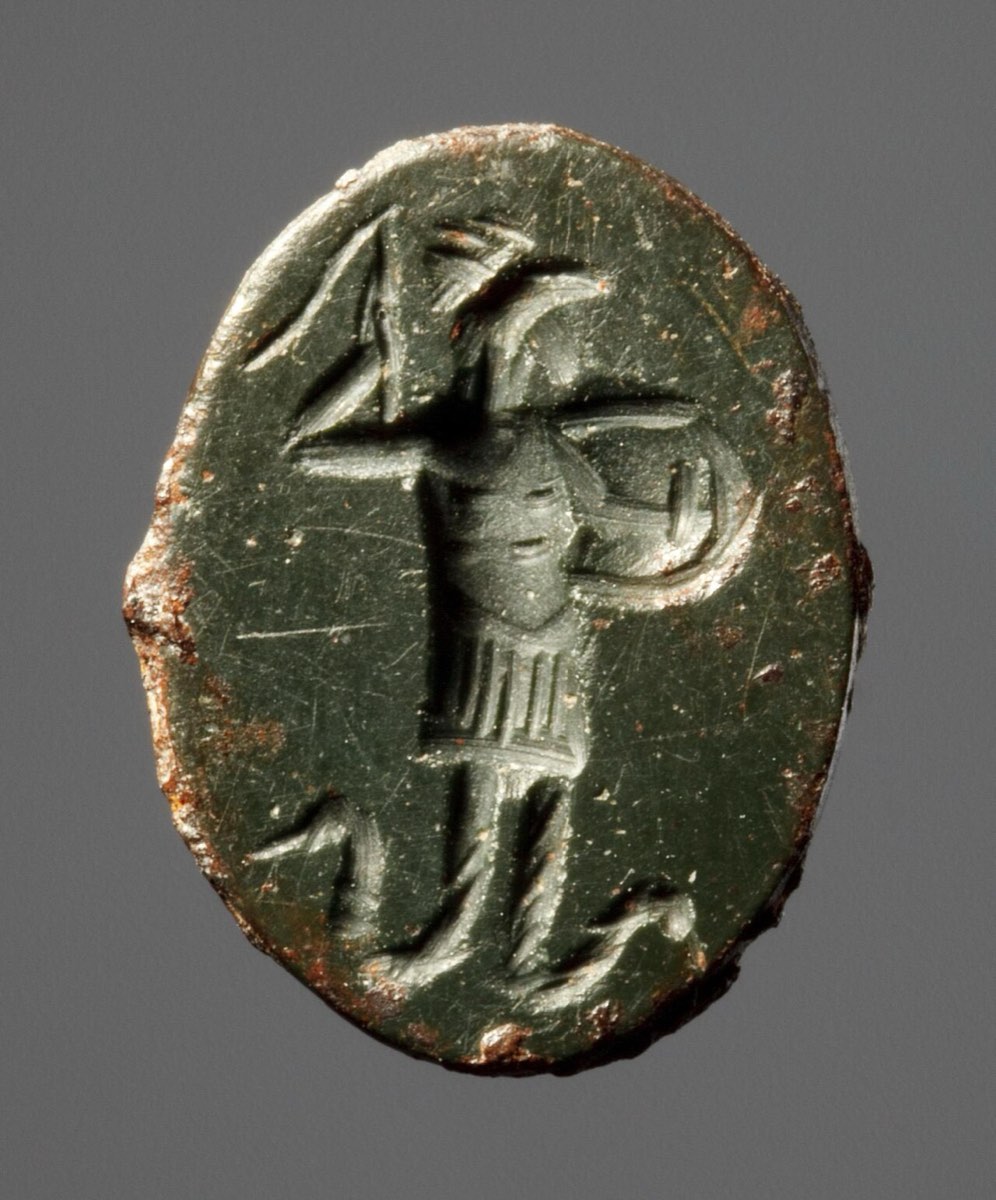
The Gnostics were not merely speculators, the video notes. They are said to have used magical amulets, performed secret rites in closed communities, and produced initiation diagrams, like those of the Ophites, bearing the names of the archons, so that the soul could cross the spheres and return to the Pleroma.
The rereading of Genesis is the most striking part. For the Gnostics, the serpent does not embody evil. It would be a messenger of Sophia, bringing Adam and Eve the knowledge capable of freeing them. The forbidden fruit becomes knowledge of humanity's true origin, and the expulsion from paradise becomes the beginning of human awakening. It is the exact inversion of the reading later Christian churches would give, and one of the reasons for the condemnation.
A salvation with no crowd
Unlike traditional theologies, Gnosticism treats salvation as individual. The goal is not to save the world, but to spiritually leave it, by remembering one's divine origin. “The real evil is ignorance. Gnosis is the antidote,” the video sums up.
The final invitation is to study, contemplate, and practice, on a path from forgetting to knowledge, from matter to light, and from time to the eternal. What remains is the question the tradition itself leaves open: how to know, from inside the sleep, that one is waking up.
Sources and references for this article
Channel Portal Espiritualidade, video "The Hypostasis of the Archons"
Gnosticism, Portuguese WikipediaHypostasis of the Archons, Portuguese WikipediaTranslated from Portuguese. This article was rewritten from a post on the original blog, in Portuguese. Read the original
Get the best articles of the week
One email a week, no spam. Unsubscribe anytime.
Read next
 Western esotericism · VideoThe Apocryphon of John, the Gnostic text where the world is born of a flaw
 Western esotericism · VideoApocryphon of John: Barbelo, Sophia and the false god, in the Gnostic text from Nag Hammadi
 Vedanta and YogaWhat is Īśvara in Vedānta: why "where is God?" is not the right question
 Vedanta and YogaThe Prayer of Caritas read through Advaita Vedānta: a Spiritist prayer and Indian philosophy
 Western esotericism · VideoGnosticism: the movement that contested the meaning of Jesus with the early Church