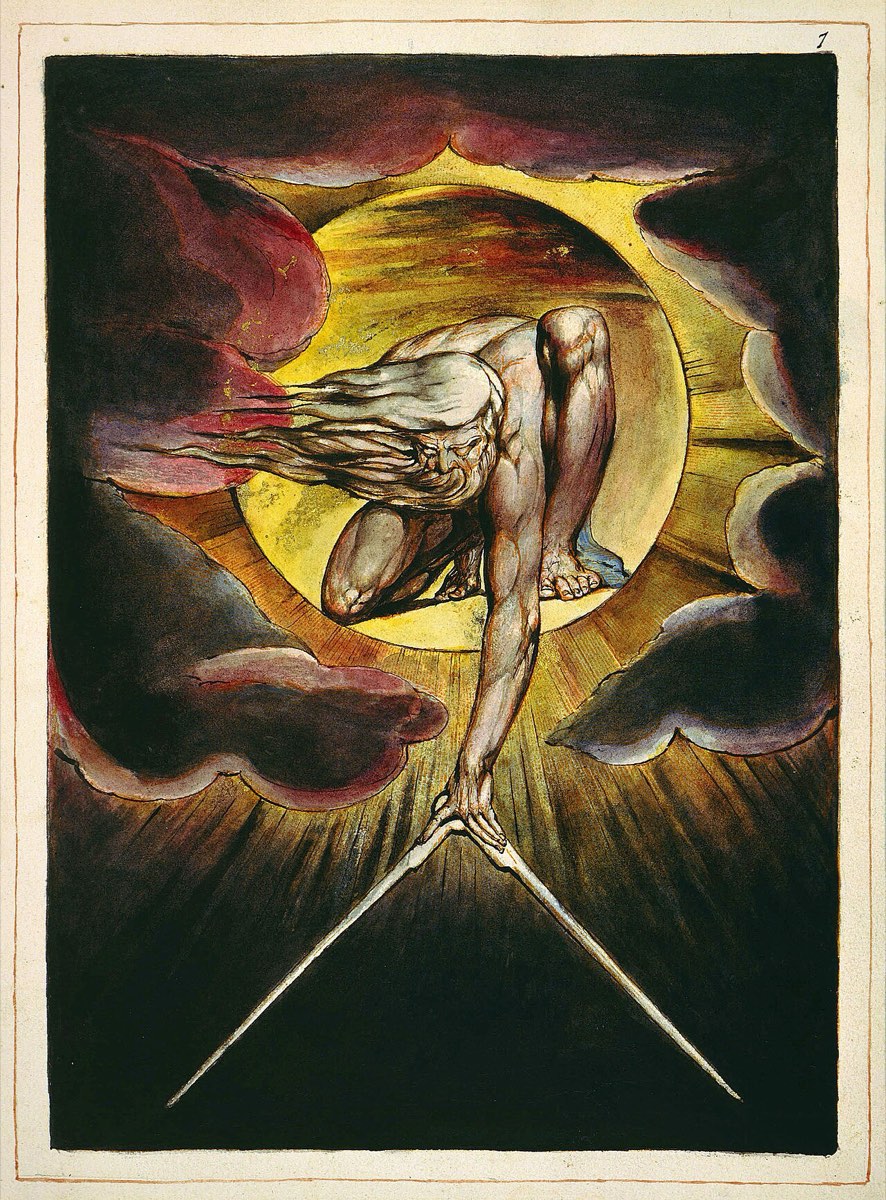
What was Gnosticism: a dualist heresy, or a path of self-knowledge?
Almost everything once known about the Gnostics came from their adversaries; the Nag Hammadi find reopened debate over whether they were dualists or monists.
· 4 min read · Sources

In 1 minute
- Gnosticism gathers movements from early Christian centuries that placed gnosis, inner knowledge, at the center of salvation; for a long time its image came from adversaries like Irenaeus of Lyon.
- For Lari, of the channel Vivifica, it is monist: the One manifests in stages down to matter, the demiurge symbolizes ignorance, and salvation comes from inner knowledge.
- Scholars disagree: there are systems of attenuated dualism and currents, like the Valentinian, that may have been monist; no single reading is consensus.
Full article
For nearly eighteen centuries, what was known about the Gnostics came from those who fought them. Bishop Irenaeus of Lyon, in Against Heresies, written around 185, gathered several groups under the label of false gnosis and described them as sectarians of the Church. Only in 1945, with the discovery of the Nag Hammadi library in Egypt, did the Gnostics themselves begin to speak in their own words.
That's the starting point for Lari, host of the channel Vivifica, in the first installment of a series on the topic. For her, Gnosticism wasn't a shadowy sect that hated matter, but a path of self-knowledge and a return to original unity. Her thesis is an interpretation, and it's worth weighing against what scholars actually debate.
What Gnosticism is
The term designates a set of religious and philosophical currents from the Mediterranean, born in the first and second centuries, which drew on reinterpretations of biblical and apocryphal accounts. The word comes from the Greek gnosis, knowledge. Gnostic writings flourished among certain second-century Christian groups, and the movement's exact origin is uncertain and disputed.
Lari notes that much of what circulates on the topic was built from hostile church fathers, such as Irenaeus, Hippolytus, and Tertullian, who sought to discredit them. The result would be a caricature: dualist Gnostics, enemies of matter, devotees of an evil god. With the Nag Hammadi manuscripts, in her view, that narrative loses its footing.
Dualism or unity?
This is the heart of the disagreement. In the host's reading, Gnosticism's foundation is monist, like Neoplatonism's: there is a single principle, the One, ineffable, from which everything emanates in stages, down to the material world. Matter wouldn't be evil in essence: it would be a broken echo of the first light, covered by ignorance. Forgetting its own origin, the soul loses itself in that echo, and liberation means recalling its divine origin.
Scholarship paints a more nuanced picture. Gnostic systems typically posit a separation between God and the world, ranging from the radical dualism of Manichaeism to the "attenuated dualism" of classical Gnostic currents, in which one principle is inferior to the other. Some scholars argue that Valentinian Gnosticism, one of its schools, may have been monist. Plotinus, the Neoplatonist philosopher, criticized the Gnostics precisely for their pessimistic view of creation, which saw the world as bad, when for him it was a reflection of the One.
The demiurge and Sophia
Some texts describe a demiurge as creator of the material world. Lari doesn't read him as an evil being, but as a symbol of ignorance, ego, and the illusion of control: his failing is one of knowledge, since he doesn't know he comes from the One. She compares the human being to Narcissus, who drowns in his own reflection by identifying with the sensory world.
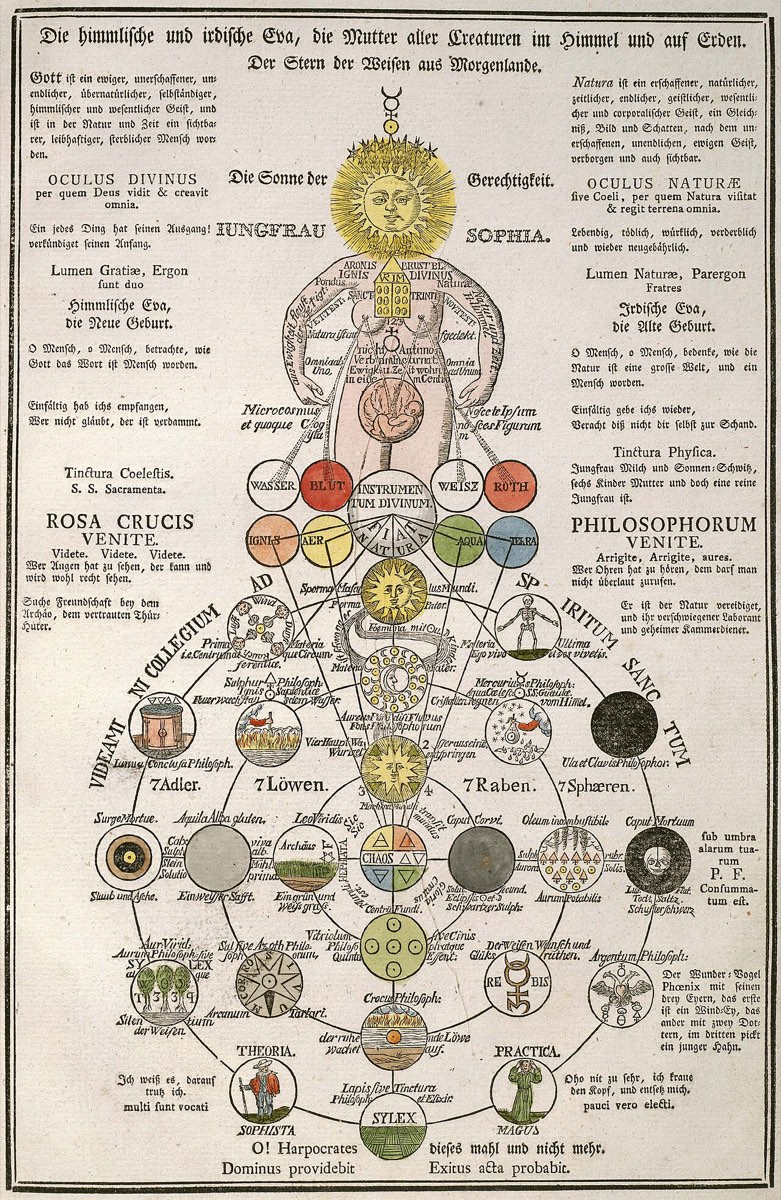
Sophia, the divine Wisdom who drifts from the One and, in that fall, gives rise to matter, holds a central place. For Lari, she also represents intuition, the luminous side of the soul that dwells in matter and in the human heart, quietly asking to be heard.
Gnosis, not faith
Unlike salvation through dogmatic faith, the Gnostics would seek salvation through knowledge — not theoretical knowledge, but lived experience: the direct experience of unity with the divine. The Gnostic critique of the world, Lari says, targets the ignorance and passion that imprison the soul, not matter itself. She sees affinities with Vedanta, Buddhism, and Kabbalah, and notes that the Gnostics distinguished greater and lesser mysteries, according to each person's awakening, and saw Jesus as the bearer of gnosis, the Logos.
Myths as an inner map
The reading she defends is symbolic. The demiurge, the archons (powers that, in the myths, imprison the soul), and Sophia's fall would describe inner states and structures of ignorance; the struggle between light and darkness would happen within each person. Hell would be forgetting, and the devil, separation. The path she proposes combines ethics and introspection, with no baptisms or external sacraments.
This psychological reading is modern and plausible as an interpretation, but it is an interpretation: the ancient texts describe cosmic beings and events, and historians debate how much allegory their authors actually intended.
A path of freedom
For Lari, Gnosticism was neither elitist, dualist, nor Manichaean, but a mystical path that understood the Kingdom of God as something interior. The series' closing line sums up its ambition: if Gnosticism was treated as heresy, perhaps it's because it deals with those who decide to think for themselves. Whether that explains the hostility it suffered, or whether it was just one among several doctrinal disputes in early Christianity, is a question the documents alone cannot settle.
Sources and references for this article
Series on Gnosticism, chapter 1, by Lari, channel Vivifica
Gnosticism, WikipediaGnosticism, Wikipedia (English), Dualism and monism sectionNag Hammadi library, WikipediaTranslated from Portuguese. This article was rewritten from a post on the original blog, in Portuguese. Read the original
Get the best articles of the week
One email a week, no spam. Unsubscribe anytime.
Read next
 Western esotericismGnosticism: origins, schools, texts, and what survived the repression
 Western esotericism · VideoApocryphon of John: Barbelo, Sophia and the false god, in the Gnostic text from Nag Hammadi
 Vedanta and YogaWhat Vedanta calls liberation: recognizing the Atman, the inner self
 Vedanta and YogaGita, lesson 14: from wanting freedom to committing to self-knowledge
 Western esotericism · VideoThe Reality of the Rulers: the Nag Hammadi text that reinterprets Genesis