"Outside charity there is no salvation": Kardec's answer to exclusivism
Kardec proposes charity, not creed or ritual, as the criterion for salvation, against the formula "outside the Church there is no salvation."
· 3 min read · Sources

In 1 minute
- Kardec reads the Last Judgment and the Good Samaritan as proof that Jesus's criterion is active love of neighbor, not adherence to a doctrine.
- He contrasts the Spiritist motto, open to everyone, with the dogma "outside the church there is no salvation," which he considers sectarian.
- For the chapter, charity is an active virtue: avoiding evil isn't enough, one must do good. This is a Spiritist reading, not Christian consensus.
Full article
Four words separate two visions of religion: "outside the Church there is no salvation" and "outside charity there is no salvation." The first formula, familiar from other Christian traditions, ties the soul's fate to belonging to an institution. The second, which Allan Kardec places at the center of chapter 15 of The Gospel According to Spiritism, swaps belonging for conduct: what saves is what one does for others.
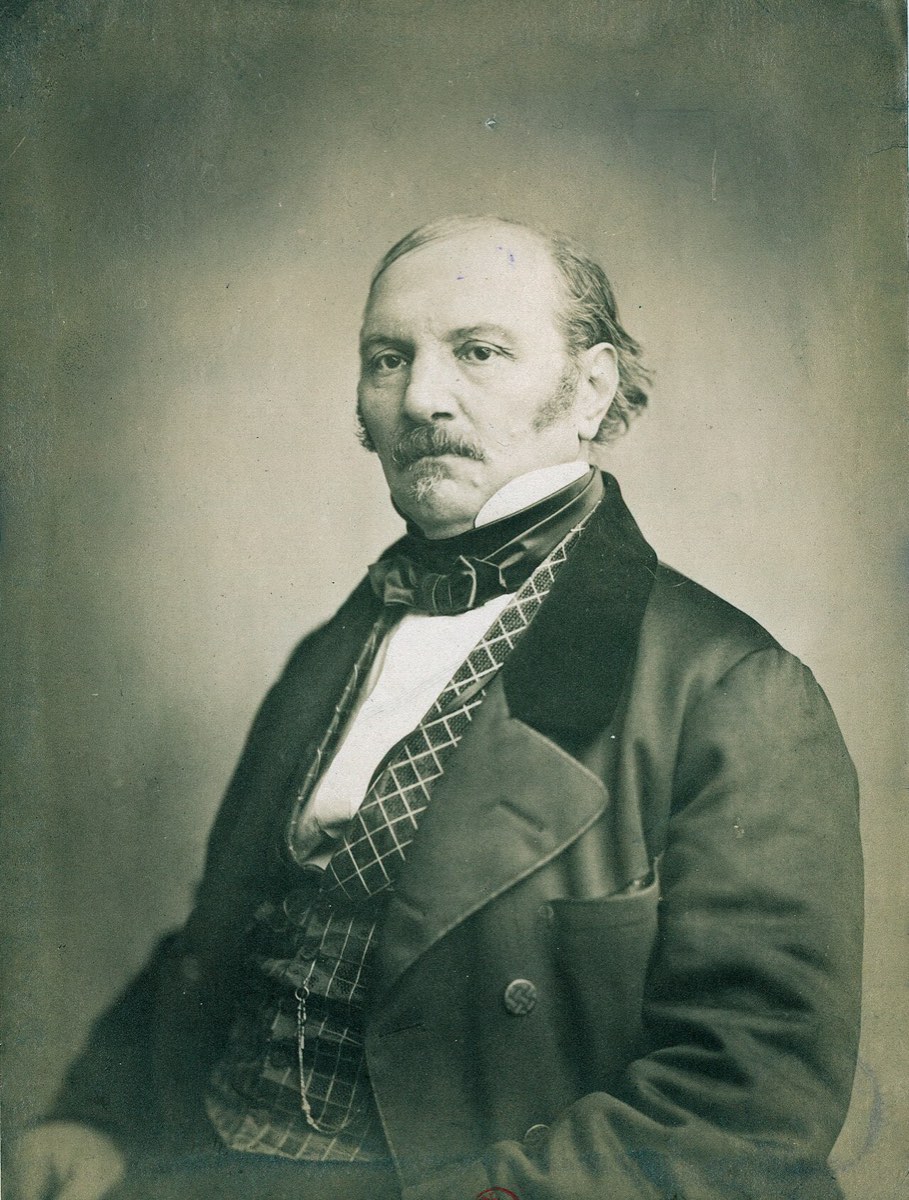
Kardec, a French educator born Hippolyte Léon Denizard Rivail, systematized Spiritist doctrine in the nineteenth century and published the Gospel in 1864. The chapter sets out his reading, which holds for Spiritism and does not represent the teaching of every church. Even as a theological argument, it can be read by nonbelievers as a moral criterion: judging a faith by what it produces.
What Jesus doesn't ask
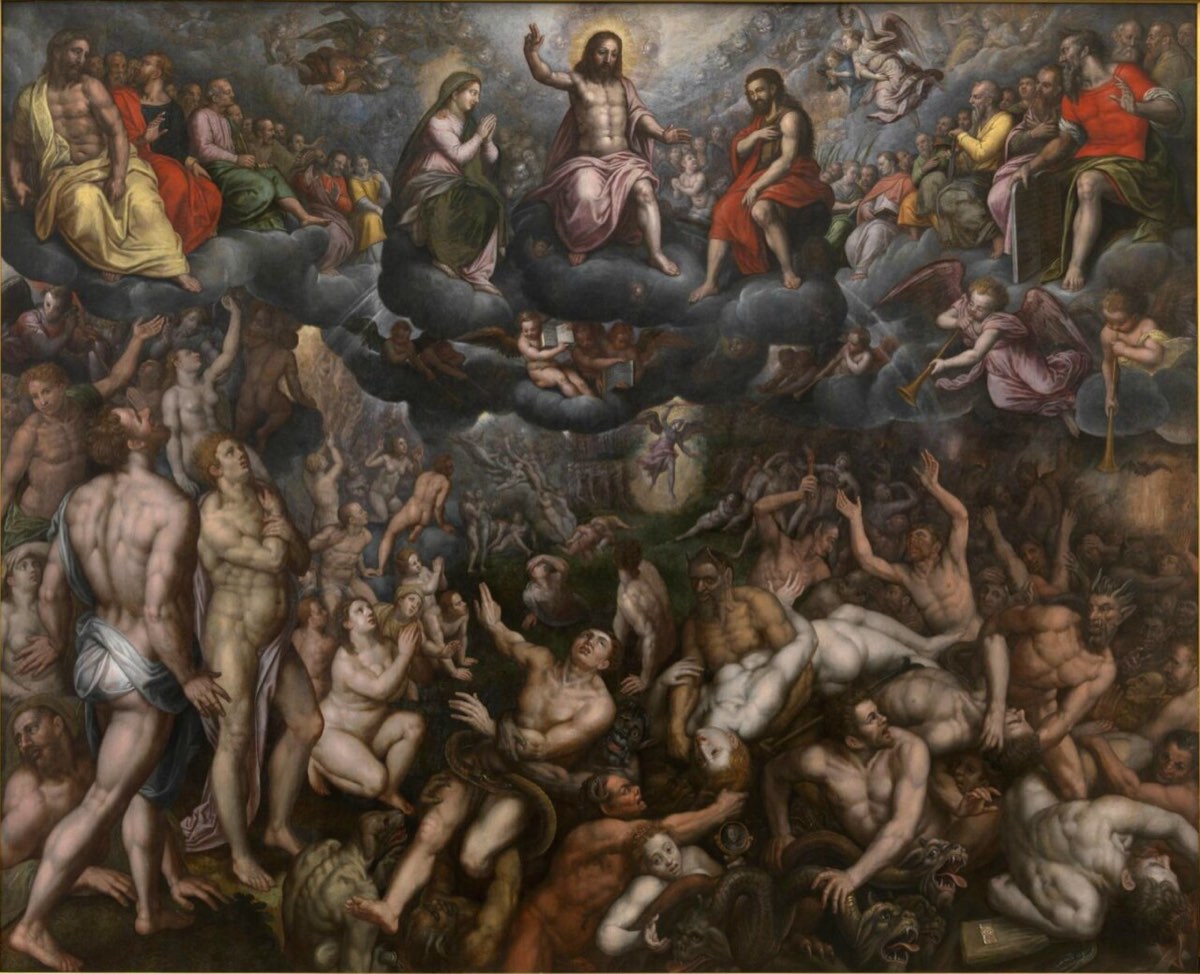
The starting point is the Last Judgment scene in the Gospel of Matthew. The shepherd separates sheep from goats. The sheep fed the hungry, welcomed the stranger, clothed the naked, and visited the sick and the imprisoned. The others failed to do so. At no point does the scene ask what each one believed or which rites they performed.
For Kardec, that is proof enough: what weighs in the judgment is what each person did, not the doctrine they adhered to. The parable of the Good Samaritan, in Luke, reinforces the argument. A priest and a Levite pass by the man who was robbed and beaten, and the one who helps him is a Samaritan, whom Jesus's listeners considered a heretic. True faith, in the chapter's reading, shows up in acts of mercy, not in rituals.
Two virtues against pride
Jesus's morality, according to Kardec, rests on two virtues. Charity is practical love of one's neighbor. Humility is the recognition of one's own limits, the denial of pride. The precepts he cites revolve around them: love your neighbor as yourself, do unto others what you would have them do unto you, love your enemies, forgive to be forgiven.
From this set comes the central argument: if there were a second condition for salvation, Jesus would have mentioned it. In this view, charity negates selfishness and gathers up the other virtues — benevolence, justice, gentleness, patience.
Inclusion against exclusivism
Kardec contrasts the two formulas. The Spiritist one, he argues, is inclusive, because it rests on a universal law: anyone, of any creed, can practice charity. The other is sectarian, because it depends on particular doctrines. In a summary the chapter offers, charity unites and religious exclusivism divides.
The biblical support comes from Paul. In the first letter to the Corinthians, the apostle states that without love — which Kardec calls charity — not even faith capable of moving mountains is worth anything. He describes that love as patient, kind, free of envy and arrogance. Hence the conclusion that charity is greater than faith and hope.
A law within everyone's reach
The chapter lists why charity would be the supreme law. It is within reach of the wise and the ignorant alike, the rich and the poor. It does not depend on religion. And it reflects the love of God, since what is done to one's neighbor is done to the Creator. Loving God without loving one's neighbor, therefore, would not be possible.
There is also a demand for action. Abstaining from evil is not enough: one must do good consciously, seek out pain, console, forgive. The text suggests submitting every act to the test of charity as a method of self-examination.
What remains open
Kardec closes by saying the maxim shows the meaning of Christianity, unites faith and reason, and affirms a universal moral law. Practicing charity, for him, means being a disciple of Jesus, whatever one's creed. The question the chapter leaves behind applies to any religion, and it is an uncomfortable one: what is left of a faith that isn't measured by what it does for others.
Sources and references for this article
Allan Kardec, O Evangelho Segundo o Espiritismo (The Gospel According to Spiritism), chapter 15
The Gospel According to Spiritism, Wikipedia (1864 publication and overview)Allan Kardec, WikipediaMatthew, chapter 25 (the Last Judgment), Almeida Corrigida Fiel BibleLuke, chapter 10 (the Good Samaritan), Almeida Corrigida Fiel BibleFirst Letter to the Corinthians, chapter 13, Almeida Corrigida Fiel BibleTranslated from Portuguese. This article was rewritten from a post on the original blog, in Portuguese. Read the original
Get the best articles of the week
One email a week, no spam. Unsubscribe anytime.
Read next
 Death and beyond · VideoAllan Kardec's “testament”: what is known and what is narrative
 Death and beyondHow Allan Kardec tested spirit messages and assembled the Spiritist codification
 Vedanta and YogaGita, lesson 20: consciousness isn't in the world, the world is in it
 Western esotericismGnosticism: origins, schools, texts, and what survived the repression
 Death and beyond · VideoThe rock that asks about love: Peter's near-death experience, in 1974