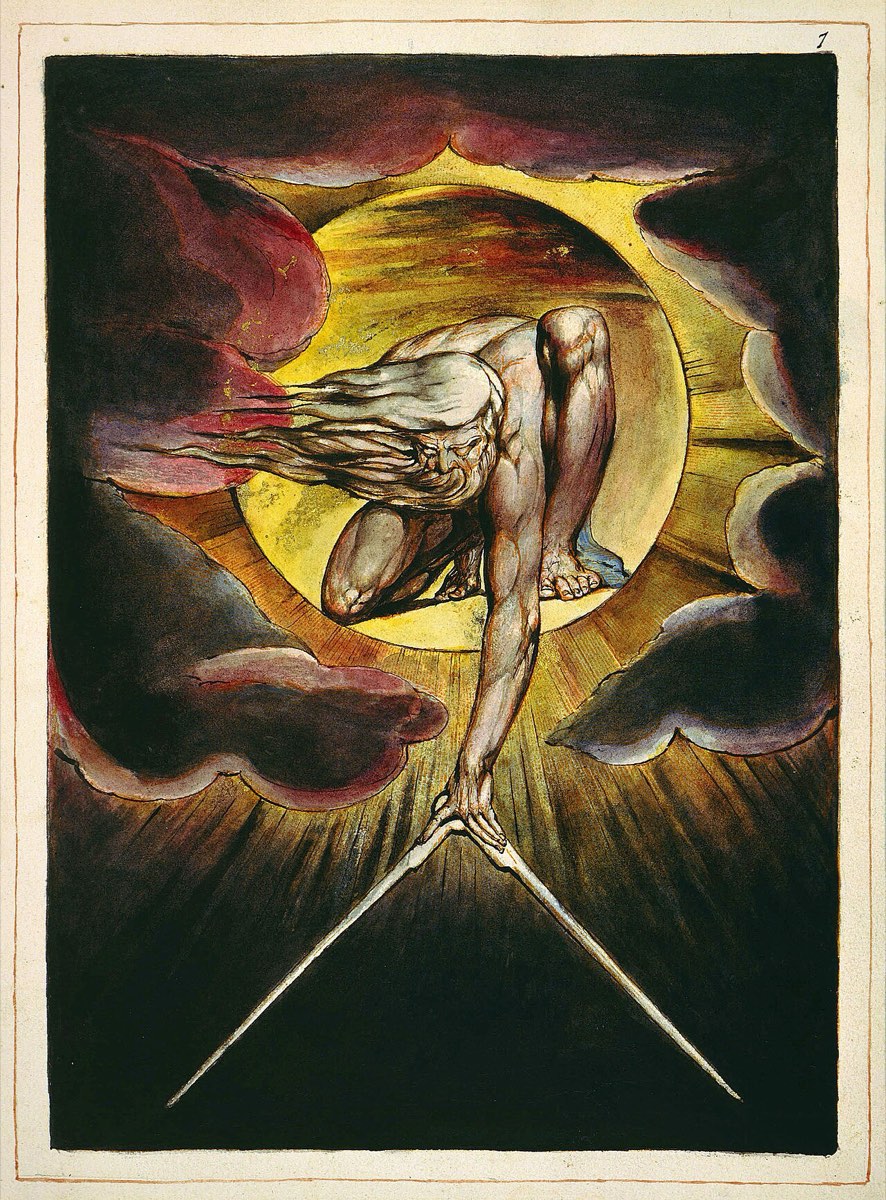
Jesus as cosmic envoy: the “true story of Yeshua” and the accusation against Rome
A video from the Astral Legends channel reinterprets Jesus as a cosmic envoy who studied in Egypt and India, and accuses Rome and the Church of distortion.
· 4 min read · Sources

In 1 minute
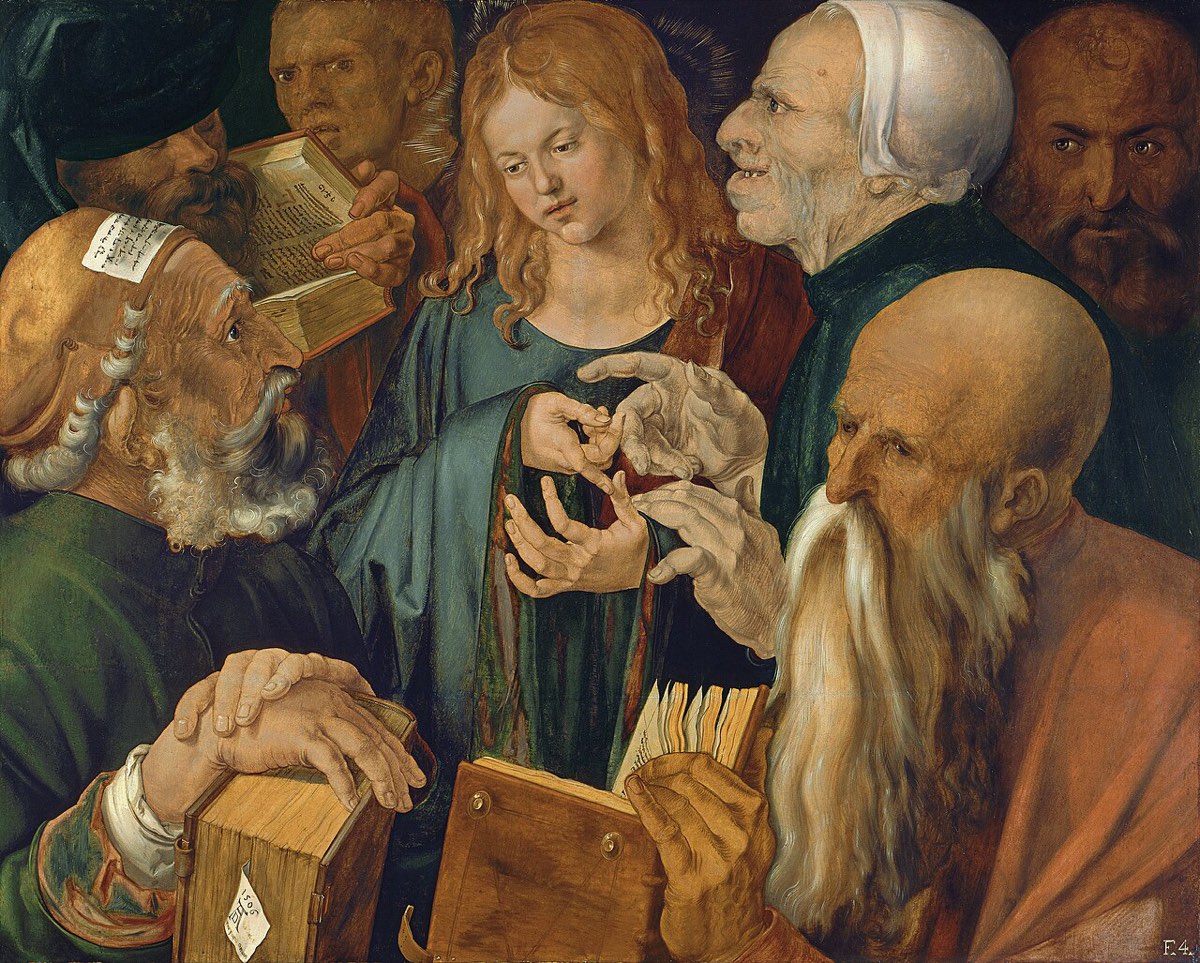
- The video “The True Story of Yeshua” claims Jesus was a hybrid of Anunnaki and human, and that he studied in Egypt, India, and Tibet.
- It holds that the crucifixion was a ritual of consciousness, and that the Council of Nicaea, in 325, shaped a Jesus to Rome's taste for the sake of power.
- These are theses of alternative spirituality, with no consensus among historians, and the central message is that the Christ is a state of consciousness accessible to all.
Full article
The traditional narrative about Jesus of Nazareth is well known: virgin birth, miracles, crucifixion, and resurrection. The video “The True Story of Yeshua,” from the Astral Legends channel, proposes another one, combining alternative spirituality, ideas about extraterrestrial life, and a critique of religious institutions.
The theses below belong to the channel and to contemporary esoteric currents, and none has consensus among historians or theologians. This piece lays them out and, on three points, the name, the Anunnaki, and the Council of Nicaea, notes what the documentary record shows. The thread running through it is a question of power: who decided what is said about Jesus, and for what purpose.
From the name Yeshua to the name Jesus
The video begins with the name. Yeshua, the Hebrew form meaning “salvation,” would have been altered for political and religious interests. The author claims “Jesus” was chosen because it sounds like “Hail Zeus,” a Roman strategy to ease the transition from paganism to Christianity.
According to references on the Holy Name, “Jesus” comes from the Greek Iesous (ΙΗΣΟΥΣ), the Greek transcription of the Hebrew name. The association with Zeus is the channel's own, and finds no support in this history of the name.
A cosmic envoy
In the channel's version, Yeshua was the child of an Anunnaki and a human, sent to Earth by advanced civilizations with the mission of raising humanity's spiritual vibration. The Anunnaki, in the ancient world, were a group of Sumerian, Akkadian, and Babylonian deities, tied to the sky god Anu. Ufology reinterpreted them as beings from another world, and it is on this modern reading that the video relies. His extraterrestrial origin, it claims, would explain Jesus's supernatural abilities and spiritual knowledge.
He would not have come to found a religion, but to teach reconnection with the divine within: people would be children of the Source, not servants of fear.
The lost years
The Gospels say almost nothing about Jesus's life between childhood and about age 30, a gap known as the lost years. The video fills it with a journey of formation. In Egypt, he would have been initiated into the Egyptian Mysteries, where he learned levitation, energetic mastery, and transcendence. In India and Tibet, he would have studied reiki, chakras, kundalini, meditation, and reincarnation. From there would come the conviction that death is an illusion and the soul is eternal and multidimensional.
The crucifixion as ritual
The channel rejects the sacrificial reading. The crucifixion would have been a ritual of consciousness. Inside the Egyptian pyramids, Yeshua would have entered controlled catatonia, with no heartbeat, to show that the spirit survives the body. The official narrative would have misread the episode.
The video adds that the Gospel of John and gnostic texts, ancient esoteric-leaning Christian writings, suggest he may have survived and gone on teaching under another name, “The Egyptian.”
Nicaea and fear as a tool
With the Council of Nicaea, in 325, Emperor Constantine would have unified doctrines to consolidate power, giving birth to the Church of Rome. The result, for the video, was a Jesus adjusted to the image of a pagan Roman deity, the fear of hell used as a social brake, and the notion that only the Church saves, which would strip people of spiritual autonomy.
The council was real: it gathered bishops in Nicaea, convened by Emperor Constantine I, and was the first attempt to reach consensus in the Church through an assembly representing all of Christendom. Constantine presided over the meeting but did not officially vote on matters of faith. The video's accusation, that faith became an instrument of submission, is interpretation, not what the council's records show.
What Yeshua would have taught
According to the channel, Christ would not be a person, but a state of consciousness within anyone's reach. The Kingdom of God would be within every human being, not in heaven or in temples. Yeshua would have taught unconditional love, healing by the hands, and connection with the Source, rather than religions with dogma and guilt.
The video also raises the hypothesis that he was married and had children. The argument is that, according to Jewish traditions, rabbis were required to marry, which would make Mary Magdalene his likely wife. This, the channel says, would not make him any less divine.
A symbol of awakening
The conclusion presents Yeshua as a symbol of awakening, not merely a figure of the past. His example would invite people to recognize the divinity within, heal spiritually and emotionally, and free themselves from fears and dogmas. The savior people are waiting for, the video states, already lives within each person. That is the promise holding up the whole narrative, and the one the reader can weigh without needing any archaeology at all.
Sources and references for this article
The True Story of Yeshua, video from the Astral Legends channel
Holy Name of Jesus, Wikipedia (in Portuguese)Anunnaki, Wikipedia (in Portuguese)First Council of Nicaea, Wikipedia (in Portuguese)Translated from Portuguese. This article was rewritten from a post on the original blog, in Portuguese. Read the original
Get the best articles of the week
One email a week, no spam. Unsubscribe anytime.
Read next
 Western esotericism · VideoYeshua and Sophia: a cosmic reading of Jesus and Mary Magdalene
 Western esotericism · VideoThe “1775 Bible” and the passages the Church allegedly suppressed: what is claimed
 Accounts and channelings · VideoPlanetary transition and ascension: what therapist Leo, who claims to be Arcturian, says
 Death and beyond"Outside charity there is no salvation": Kardec's answer to exclusivism
 Western esotericism · VideoThe Reality of the Rulers: the Nag Hammadi text that reinterprets Genesis