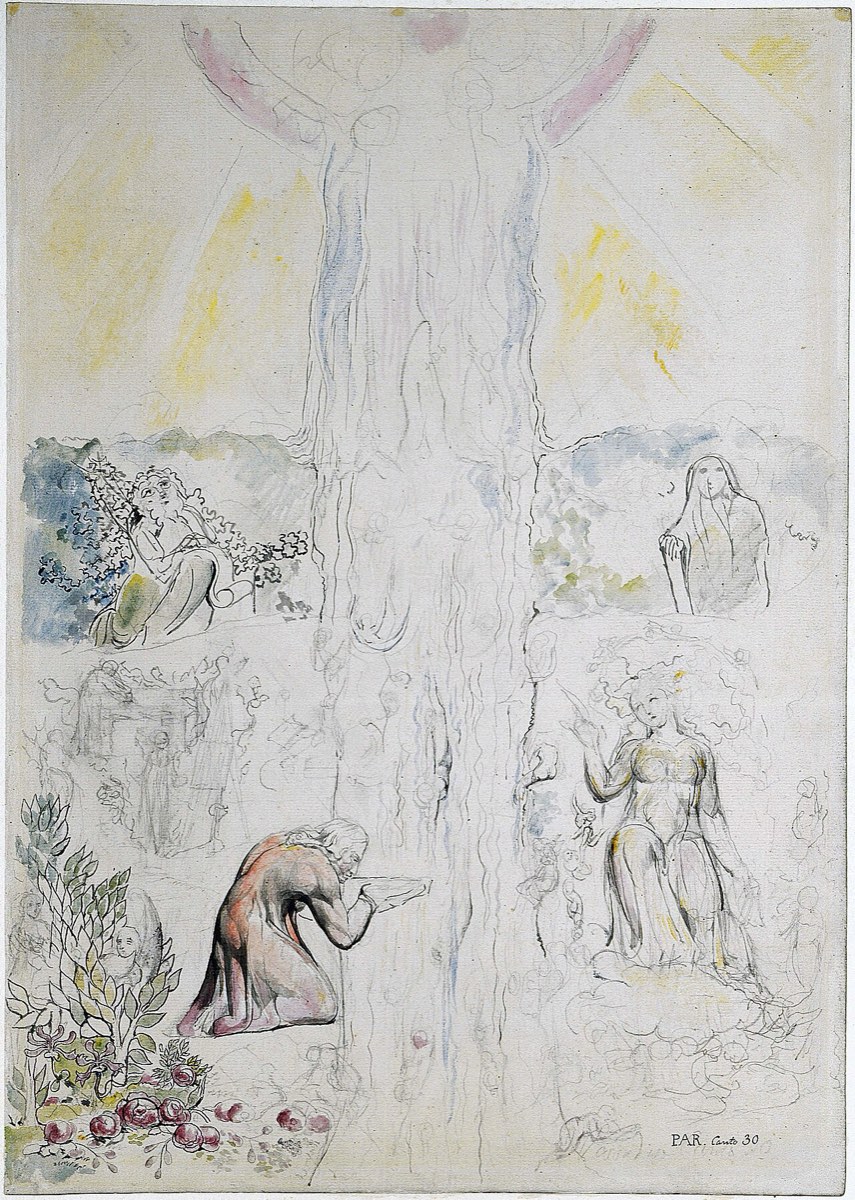
Ask and ye shall receive: Kardec on prayer, and why it isn't a wish list
For Kardec, prayer's value lies in the sincerity and morality of the one who prays, and what is asked for should be strength, not favors.
· 3 min read · Sources
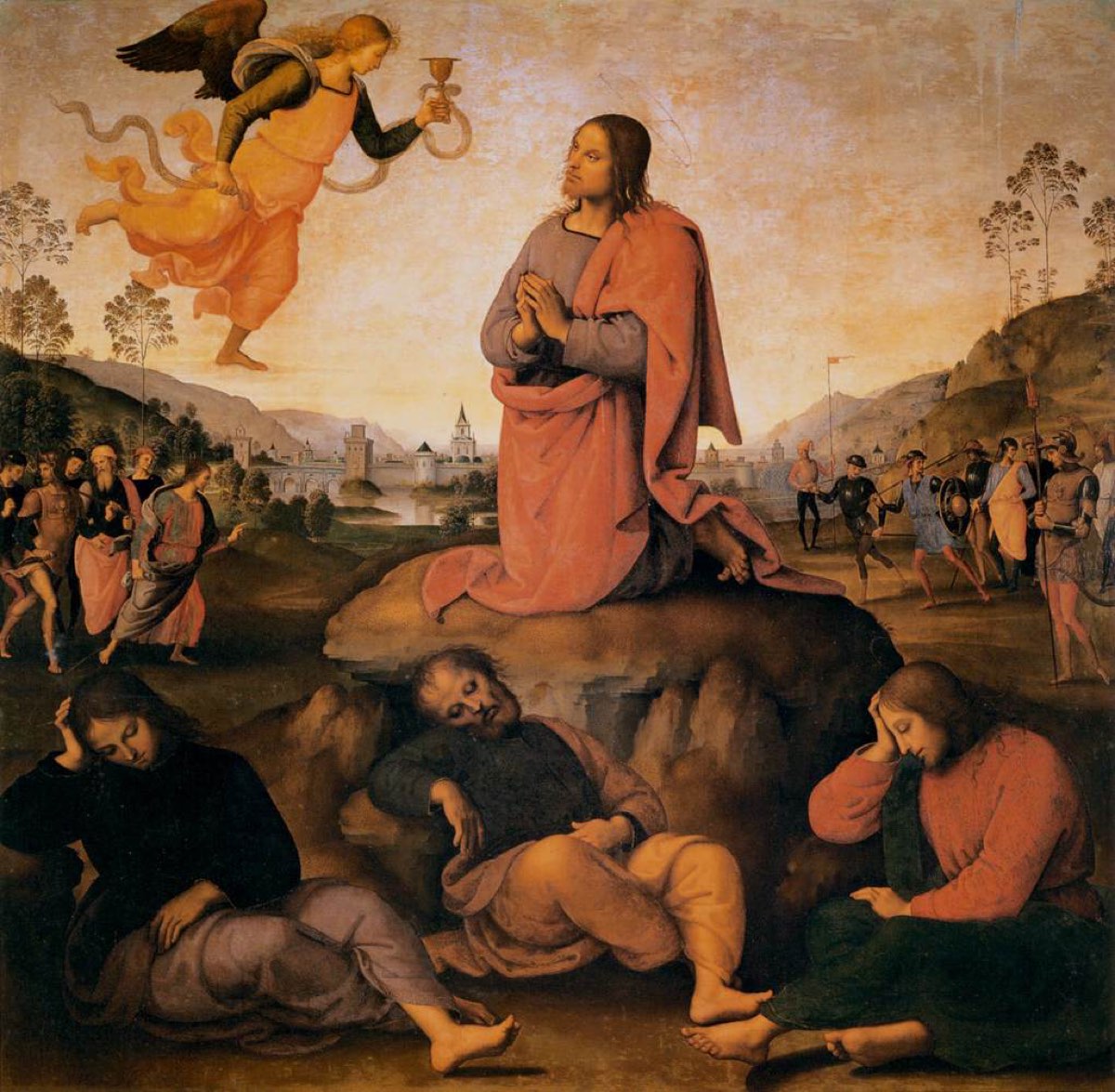

In 1 minute
- In Spiritist doctrine, prayer's value lies in intention and sincerity, not in the number of words, and it calls for forgiveness and humility.
- Kardec describes it as a transmission of thought linking the one who prays to the being addressed, and recommends asking for strength, not gain.
- Prayer does not override free will or divine law, and it extends to the dead; the mechanism described is Spiritist doctrine, not a proven fact.
Full article
"Ask, and ye shall receive" is one of the most quoted promises in the Gospel and one of the most misread. If asking alone were enough, the life of anyone who prays would be a catalog of wishes granted, and ordinary experience shows that it is not. It was to deal with this impasse that Allan Kardec devoted an entire chapter to prayer in The Gospel According to Spiritism, a book published in Paris in April 1864.
Chapter 27 does not promise that God grants every request. It examines what praying is, under what conditions prayer would work, and what is worth asking for. The explanation it offers, involving currents of thought and the action of spirits, belongs to Spiritist doctrine. It is a belief, not a demonstrated fact, and that is how this text presents it.
Praying without an audience
The starting point is the warnings attributed to Jesus in the Gospels: not to pray standing in the synagogues to be seen, but withdrawn in one's own room, in secret. Kardec concludes that prayer should be sincere, discreet, and inward. Speaking at length does not make it more effective. What counts is pure intention, repentance, and the feeling that moves it.
There are also moral conditions. Whoever prays must first forgive their neighbor and approach with the humility of the publican in the parable, not with the pride of the Pharisee. A prayer made with resentment, vanity, or selfishness, the chapter says, gets nowhere.
How prayer would work
In the Spiritist explanation, praying is a phenomenon of thought transmission. The thought of the one who prays, resting on what the doctrine calls the universal fluid, would form currents linking it to its recipient: God, a superior spirit, or someone being interceded for. Its effectiveness would depend on the moral intensity of that thought and the sincerity of the will behind it.
From this come the mistakes the chapter points out. It would be an illusion to think it is enough to ask for anything, to repeat formulas without reflecting on what is said, or to demand material benefits with no regard for moral merit. Praying in a language the person does not understand, and the belief that repeating something many times substitutes for intention, belong on the same list: to move the heart, a prayer must be understood.
What to ask for
Kardec recommends asking for strength, patience, and resignation, and for light to resist temptation and improve morally. The request, though, does not excuse the effort of the one who asks. The chapter invokes the saying that God assists those who help themselves.
The examples illustrating the idea show the author's logic. A thirsty man in the desert who, inspired, presses on and is saved would illustrate how good spirits act: they suggest useful ideas, but do not perform arbitrary miracles. Providence would act discreetly, so as not to cancel out the merit of each person's effort.
Free will and prayer for the dead
Praying, Kardec states, does not violate freedom of choice or change divine laws. Prayer encourages good, helps overcome evil, and points the way, but the soul always decides for itself.
The chapter extends prayer to suffering spirits. According to the doctrine's teaching, praying for them would relieve their pain, reinforce their good feelings, and shorten their suffering through the elevation of thought. It is described as an act of charity and proof of spiritual love.
What remains of prayer
Through all this, prayer's value lies in the thought, not the words, and it can be made anywhere, at any hour. Kardec sees it as communion with God, an instrument of inner elevation, and a bridge between human thought and divine wisdom. The effect he attributes to it is not to change the world from outside in. It is to make the one who prays a co-author of the good they ask for.
Sources and references for this article
Allan Kardec, O Evangelho Segundo o Espiritismo (The Gospel According to Spiritism), chapter 27
The Gospel According to Spiritism, Wikipedia (published in Paris, April 15, 1864)Translated from Portuguese. This article was rewritten from a post on the original blog, in Portuguese. Read the original
Get the best articles of the week
One email a week, no spam. Unsubscribe anytime.
Read next
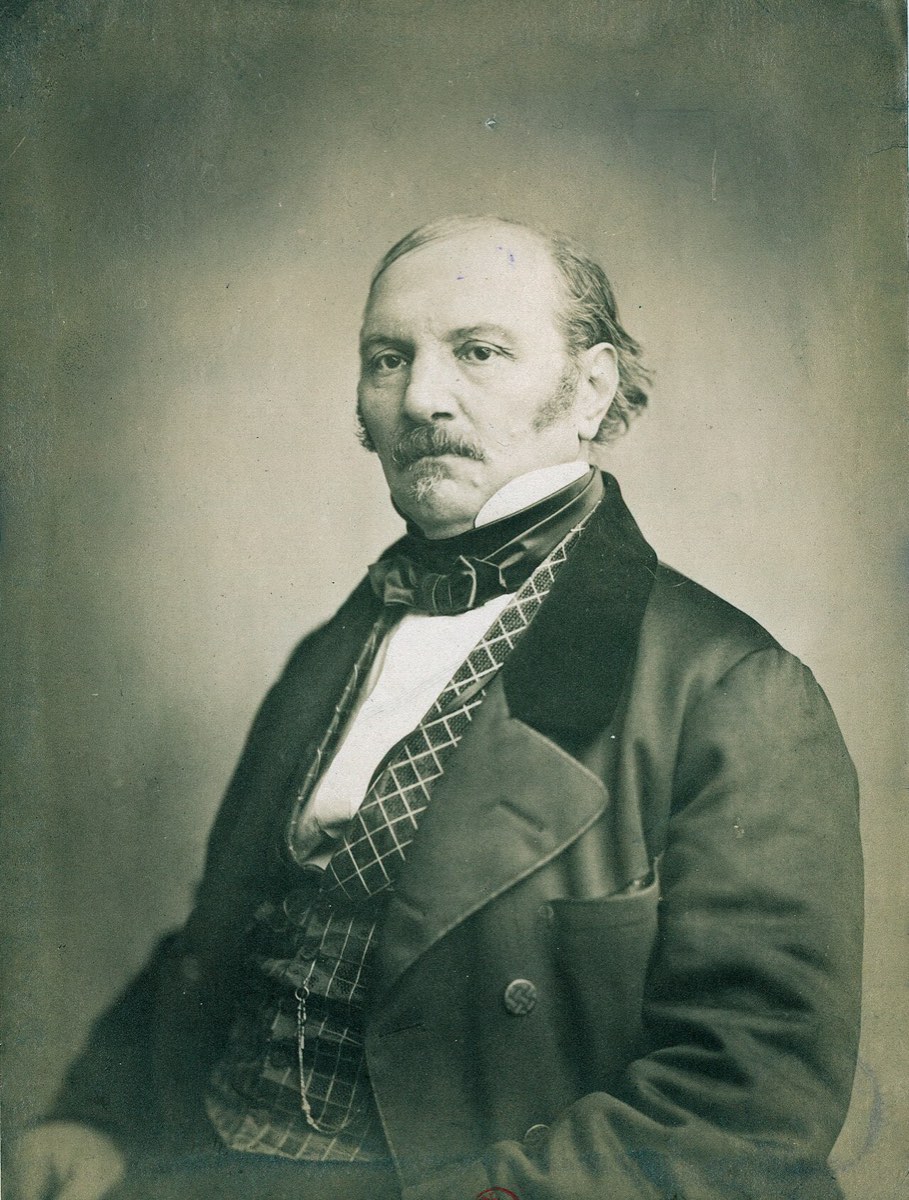 Death and beyond · VideoAllan Kardec's “testament”: what is known and what is narrative
 Death and beyondKardec, Socrates, and Plato: the morality of Christ separated from dogma in the Spiritist Gospel
 Vedanta and YogaThe Prayer of Caritas read through Advaita Vedānta: a Spiritist prayer and Indian philosophy
 Vedanta and YogaGita, lesson 20: consciousness isn't in the world, the world is in it
 Death and beyond · VideoWhat souls do after death, in a Spiritist view: work, study, and service