"Freely give": why Kardec condemns charging for mediumship
Kardec condemns the trade in prayers, blessings, and communications with spirits, and argues that mediumship should be practiced for free.
· 3 min read · Sources

In 1 minute
- Kardec starts from Jesus's instruction to the disciples to say spiritual gifts are divine grace and cannot become a profession.
- His arguments: mediumship is not an acquired skill, depends on spirits, and is unstable, so promising it for money would be deceiving.
- A doctor or a magnetizer could be paid; the medium, who does not act with their own energy, could not. The position is Spiritist doctrine's own.
Full article
When Jesus sends the disciples to heal the sick, cleanse lepers, and cast out demons, he adds a short instruction: freely ye have received, freely give. The line is in Matthew 10 and is one of the most cited in debates about money and religion. Chapter 26 of The Gospel According to Spiritism starts from it to critique the selling of sacred things, especially mediumship, prayers, and blessings.
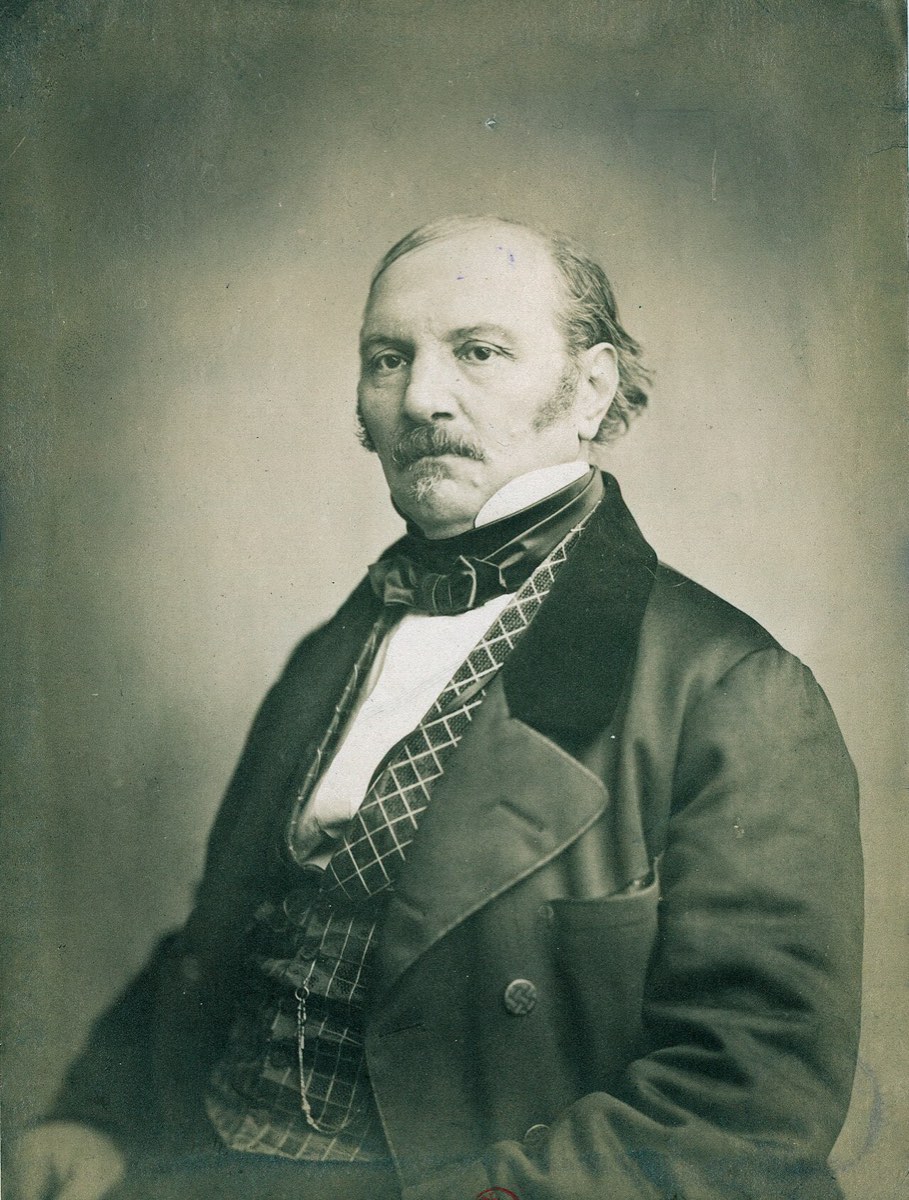
Allan Kardec, the French educator who systematized Spiritist doctrine in the nineteenth century, published the book in 1864. The chapter's claims belong to Spiritist doctrine and fall within the realm of religious belief. The debate it opens, though, predates Spiritism and remains current: is it legitimate to charge for services said to be spiritual?
Gifts that belong to no one
According to Kardec, Jesus freely granted the disciples the gift of healing, the ability to teach, and mediumship, that is, contact with spirits. These were divine graces, not personal merit or private property. Turning them into profit or a profession would mean diverting them from the purpose for which they were given.
The Gospel, the chapter recalls, condemns charging for prayers and using spiritual practice as a business. It also condemns whoever appropriates another's faith for personal benefit, like the scribes who, Jesus says, make long prayers for a pretense while devouring widows' houses.
Kardec's reasoning
The argument is simple. God does not sell mercy, forgiveness, or relief, and so no man can do so in his name. Paying for a prayer would turn an act of faith into currency.
Whoever pays others to pray in their place, Kardec adds, commits a double illusion: believing that an impulse of the heart can be outsourced, and that the spiritual value of a prayer can be measured in money. For the chapter, reducing prayer to a price list is to deny what it is.
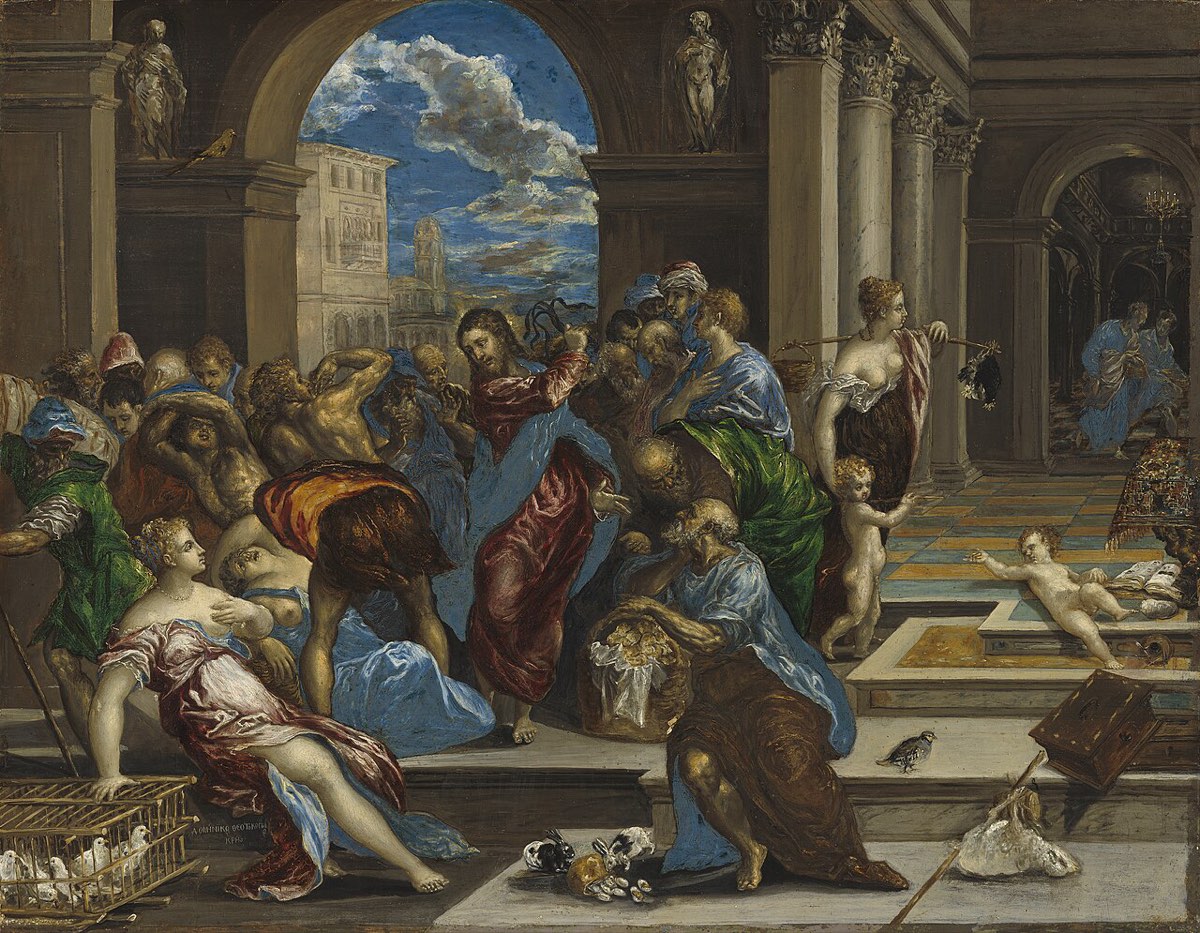
The episode of the money changers driven from the temple, told in Matthew 21, enters as a symbol. It represents the care one should take with the sacred, the rejection of exploiting faith, and respect for the house of prayer as a place of truth and communion.
Mediumship: a mission, not a profession
The chapter's longest part deals with mediumship. Kardec considers it a free gift, to be exercised with humility, altruism, and moral responsibility. It should never be a source of income, for three reasons. It is not an acquired skill; it depends on spirits, not on the medium's control; and it is variable and unstable, impossible to guarantee. Promising a mediumistic phenomenon in exchange for payment would be deception.
The text lists what charging for it would bring about: obsessions and fraud, the withdrawal of good spirits, domination by inferior, lying, exploitative spirits, and the discrediting of the doctrine.
The doctor, the magnetizer, and the medium
Kardec acknowledges there are legitimate occupations that may receive compensation. The doctor offers the fruit of his studies. The magnetizer uses his own vital fluid and personal effort. The healing medium, by contrast, acts as a channel for good spirits, uses no energy of his own, and so could not sell what is not his. Jesus and the apostles, though poor, would never have charged for a healing.
To a medium in need, the chapter recommends seeking honest means of subsistence outside mediumship, and offering time as far as possible. Voluntary sacrifices would be valued by the spirits. Financial interest, on the contrary, would drive spiritual protection away.
Closing
Mediumship, Kardec concludes, is a mission that calls for selflessness, love of one's neighbor, and sincere dedication. Trading in spiritual gifts would mean denying their origin and betraying their purpose. The question the chapter leaves for whoever today offers or seeks spiritual services is to know exactly what is being bought.
Sources and references for this article
Allan Kardec, O Evangelho Segundo o Espiritismo (The Gospel According to Spiritism), chapter 26
The Gospel According to Spiritism, Wikipedia (1864 publication and overview)Allan Kardec, WikipediaMatthew, chapter 10 ("freely ye have received, freely give"), Almeida Corrigida Fiel BibleMatthew, chapter 21 (Jesus drives the money changers from the temple), Almeida Corrigida Fiel BibleTranslated from Portuguese. This article was rewritten from a post on the original blog, in Portuguese. Read the original
Get the best articles of the week
One email a week, no spam. Unsubscribe anytime.
Read next
 Death and beyond · VideoAllan Kardec's “testament”: what is known and what is narrative
 Death and beyondKardec, Socrates, and Plato: the morality of Christ separated from dogma in the Spiritist Gospel
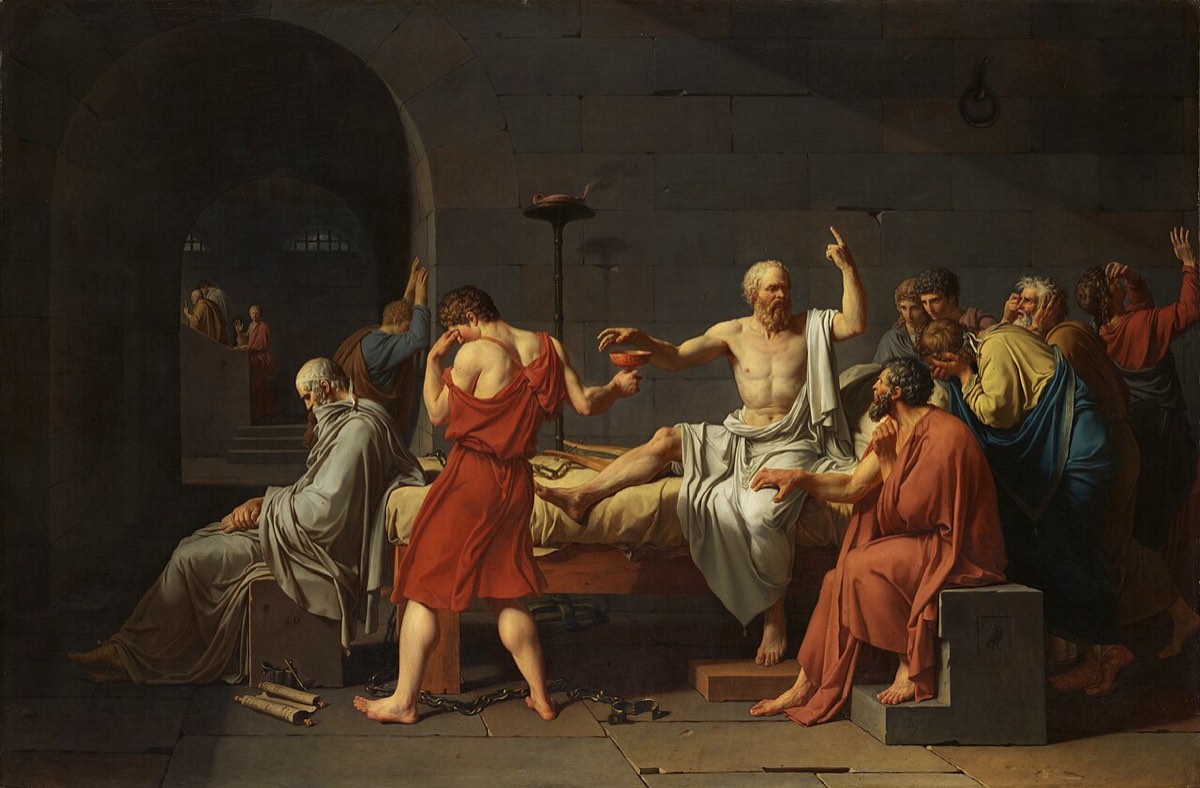 Vedanta and YogaGita, lesson 20: consciousness isn't in the world, the world is in it
 Accounts and channelings · VideoIraca Irana, the spirit of the "little ones": a channeled message on extraterrestrial life
 Death and beyond · Video"Dying is changing clothes": what Laércio Fonseca says about the afterlife