The parable of the vineyard: justice, reincarnation, and the eleventh hour
Kardec reads the parable of the vineyard laborers as a lesson on divine justice, and sees Spiritists as the eleventh-hour laborers.
· 3 min read · Sources

In 1 minute
- In the parable, everyone receives the same wage; for Kardec, what counts is the response to the call, not the hour one arrives.
- The doctrine expands the story: ancient prophets and apostles are said to have reincarnated as today's Spiritists, to finish a collective work.
- Genuine servants would be recognized by charity, selflessness, and by seeking neither vanity nor payment on Earth.
Full article
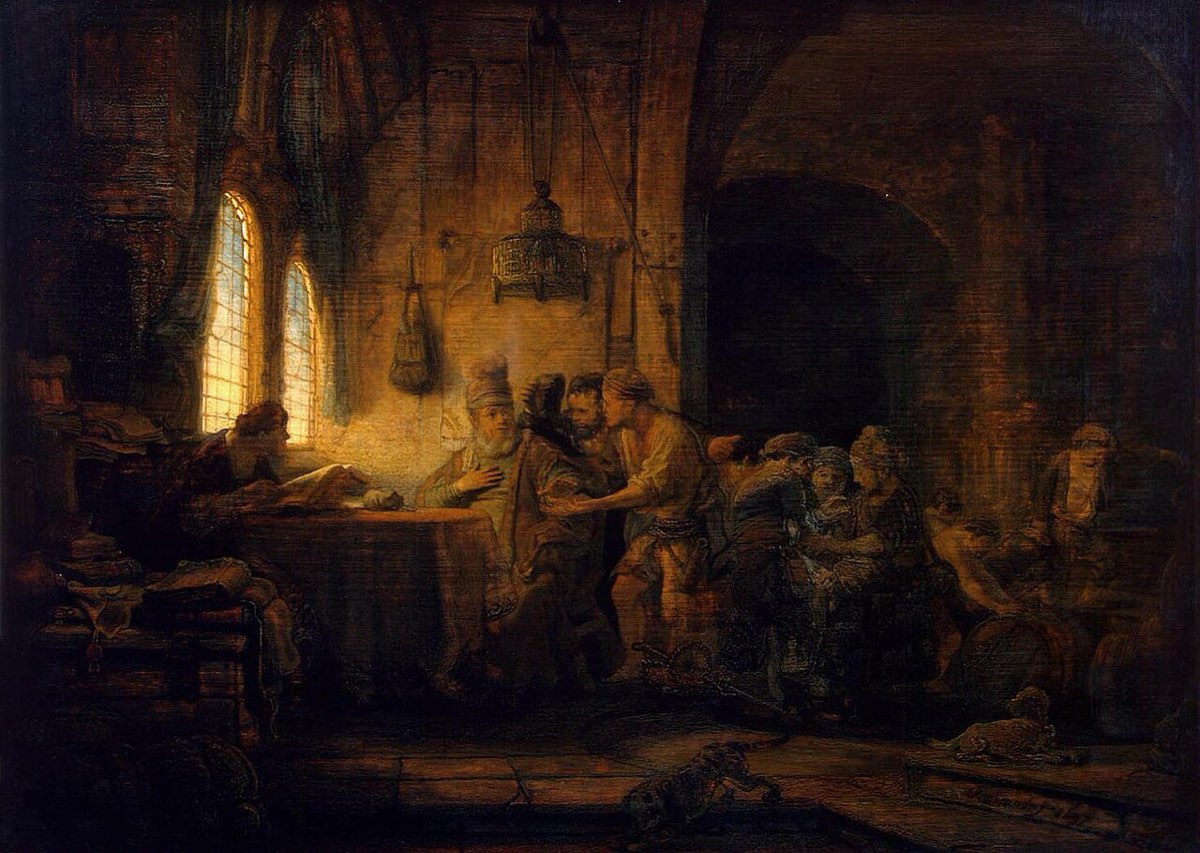
A vineyard owner goes out early in the morning to hire laborers. He returns at noon, in the evening, and once more in the last hour. At day's end he pays everyone the same amount, even those who barely worked. The first ones complain, and he answers that he committed no injustice: the wage was what had been agreed. The parable, told in Matthew 20, unsettles anyone who thinks in terms of merit earned by hours worked, and it is precisely that unease that chapter 20 of The Gospel According to Spiritism explores.
Allan Kardec, the French educator who systematized Spiritist doctrine in the nineteenth century, reads the story as a lesson on divine justice and mercy. The interpretations, published in 1864, belong to Spiritist doctrine and to the realm of religious belief. The reading has a second layer, too: it applies the parable to the Spiritist movement itself.
Who arrives early and who arrives late
In Kardec's reading, what the story values is not the hour of arrival, but the response to the call. The first laborers are those who have always answered God's voice, such as prophets, apostles, martyrs, and saints. The last are those who, even late, take up the task with fervor. Everyone would be entitled to the reward, provided they act with sincerity and good will. Divine goodness, the chapter says, equalizes merit by effort, not by time.
The chance that is lost
A message attributed to the Spirit Erastus draws a distinction. Those who waited patiently and faithfully for the call are received with love. Those who neglected it out of laziness or ill will lost the opportunity. And those who spent their time doing wrong could not claim innocence or late repentance. The image used is of someone who arrives at the end of the day and is told there is no longer any work for them, because they squandered their time.
Reincarnation as continuity
Here Spiritism expands on the parable. Many of the spirits of ancient prophets and apostles are said to have reincarnated as today's Spiritists, to finish what they had begun. The work of good is thus said to be collective and shared, passed down from generation to generation. For the chapter, reincarnation reinforces justice, responsibility, and the unity of human progress.
The call to Spiritists
Another message, attributed to the Spirit of Truth, speaks in a summoning tone. It announces the approach of a storm of renewal and calls Spiritists eleventh-hour laborers, sent to bring light to consciences, presented as new apostles guided by elevated spirits. The appeal is practical: leave behind frivolous habits and earthly pleasures, preach the truth with courage and selflessness, sow even in arid ground with no immediate fruit. The themes to proclaim are reincarnation, charity, and moral renewal.
How to recognize the servants
The text offers a criterion of conduct. Genuine servants, the chapter says, console those who suffer, put charity into practice, show selflessness and loyalty, and seek neither vanity nor payment on Earth. One of the messages praises those who joined efforts and silenced discord so the work would not suffer.
The first and the last
In conclusion, Kardec says divine justice cannot be fooled by religious appearances. Receiving the call is simple. Being chosen requires action, pure intention, and loyalty to the good. To those who fail to act, the vineyard owner would say they have already received their reward. To the faithful, he would entrust the hardest posts in humanity's spiritual regeneration. In this way the Gospel saying would be fulfilled: that the last, in the Kingdom of Heaven, come before the first.
Sources and references for this article
Allan Kardec, O Evangelho Segundo o Espiritismo (The Gospel According to Spiritism), chapter 20
The Gospel According to Spiritism, Wikipedia (1864 publication and overview)Allan Kardec, WikipediaMatthew, chapter 20 (the parable of the laborers in the vineyard), Almeida Corrigida Fiel BibleTranslated from Portuguese. This article was rewritten from a post on the original blog, in Portuguese. Read the original
Get the best articles of the week
One email a week, no spam. Unsubscribe anytime.
Read next
 Death and beyondHow Allan Kardec tested spirit messages and assembled the Spiritist codification
 Death and beyond · VideoWhat souls do after death, in a Spiritist view: work, study, and service
 Vedanta and YogaGita, lesson 20: consciousness isn't in the world, the world is in it
 Accounts and channelings · VideoAgarta, the Realm Esotericism Places Inside the Earth: Origins of a Belief
 Death and beyond · Video"Dying is changing clothes": what Laércio Fonseca says about the afterlife