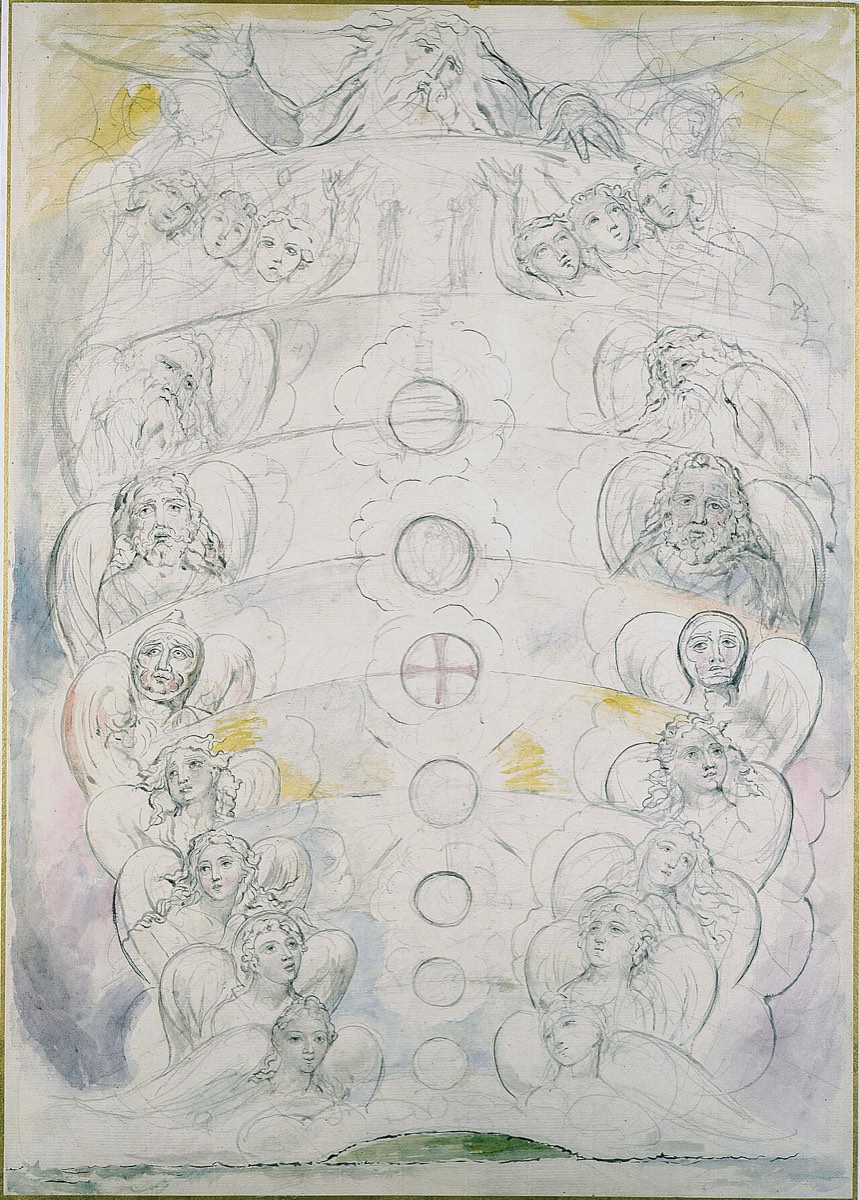
Blessed are the meek and the peaceable: meekness and patience as strength
Kardec and messages attributed to Spirits treat meekness as an active virtue and anger as a fruit of pride, in a Spiritist reading of the Sermon on the Mount.
· 3 min read · Sources

In 1 minute
- For Kardec, meekness, gentleness and patience are active virtues, and anger is born of wounded pride.
- “Inheriting the Earth” would mean the planet's moral transformation, in a regenerated world where violence loses ground.
- Spirits, reincarnation and a regenerated world are beliefs of Spiritist doctrine, not scientific conclusions.
Full article
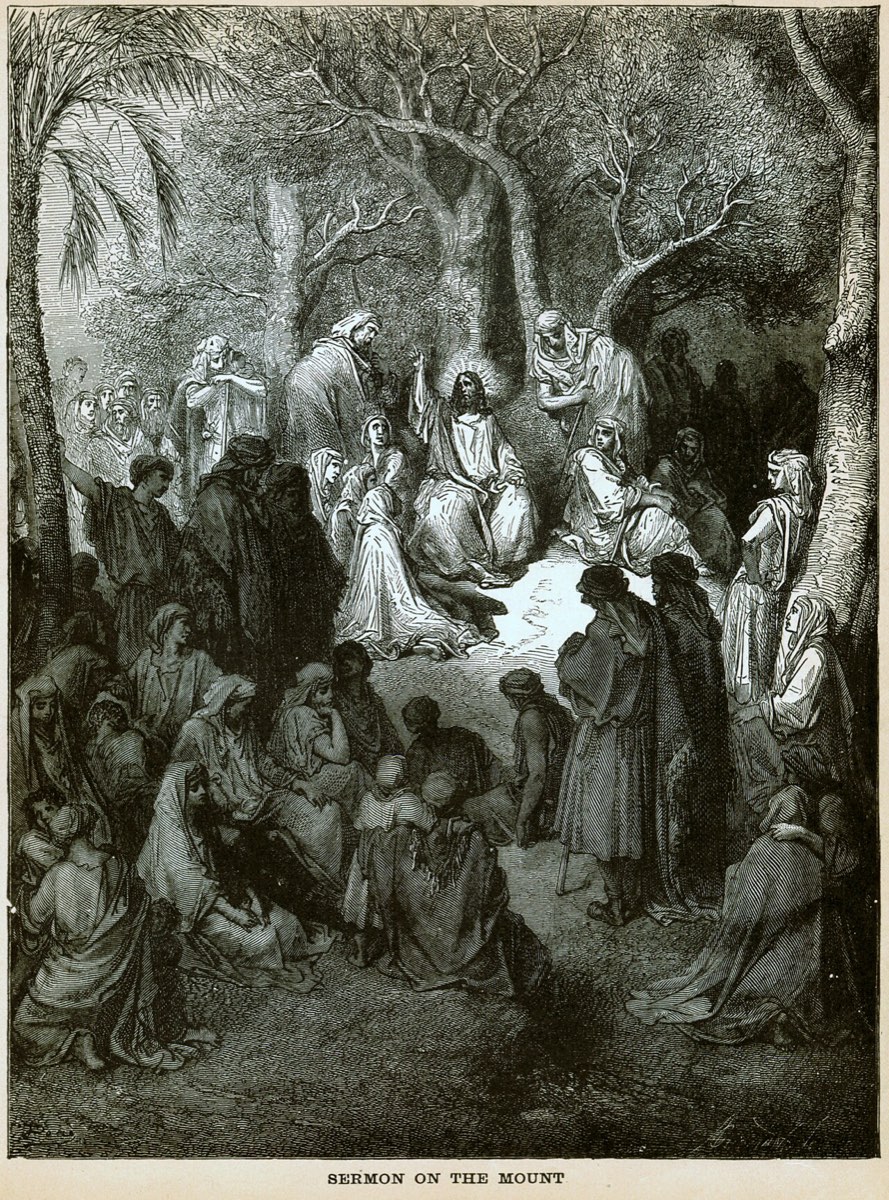
Among the beatitudes of the Sermon on the Mount, the one about the meek is perhaps the one that sounds most like advice for the defeated. In chapter 9 of The Gospel According to Spiritism, Allan Kardec argues the opposite: meekness, gentleness and patience would be active virtues, capable of trading the instinct for violence for a moral strength.
The book, published by Kardec in the 19th century, combines his own commentary with messages he attributes to Spirits. The claims about Spirits, reincarnation and a future "regenerated world" are beliefs of the Spiritist tradition, not scientific conclusions.
Against the rule of anger
The starting point is Jesus's lesson that avoiding murder is not enough: wounding someone with words also breaks the law of love. Expressions of contempt, such as "fool" or "raca," a Hebrew term of scorn, would carry a negative charge. Anger and disdain, in the chapter's reading, open the way to hatred and division.
The measure, the text says, is intention. It weighs as much as the act itself, because it reveals the inner state of the one acting.
What inheriting the Earth means
The promise that the meek shall possess the Earth is not about property, according to Kardec, but about the planet's moral transformation. Today violence dominates. With humanity's spiritual elevation, the violent would lose ground, the peaceable would come to guide society, and the Earth would become a regenerated world, the doctrine's term for a future stage of evolution. When charity becomes universal law, the meek will no longer be crushed.
Gentleness that is only a facade
A message attributed to the Spirit Lazarus, received in Paris in 1861, distrusts gentleness as mere convention. Some smile in public and tyrannize at home; some show warmth and speak ill behind others' backs; some hide pride and authoritarianism beneath politeness. True gentleness, according to the message, is constant and sincere, the same at home and in the street.
Patience and resignation
Another part of the chapter treats pain as a trial. Being patient in the face of it would be a direct practice of charity, because it softens suffering, elevates the spirit and prepares a spiritual victory. The message recalls that Christ suffered more than anyone, and for that reason calls for patience.
Lazarus, in 1863, further distinguishes two words. Obedience would be reason accepting God's law, and resignation, the heart accepting it. Both would demand inner strength and should not be mistaken for passivity, since the opposite of both is revolt, which weakens and distances one from peace.
Anger and pride
A guardian Spirit, whose message the book reproduces, points to wounded pride as the origin of anger. It springs from refusing to accept opinions, advice or comparisons, and it poisons life within the family and society. The angry person suffers and causes suffering: could they see themselves from outside, they would be horrified at what they become.
The text adds practical reasons to overcome it. Anger erodes health, jeopardizes life, hurts those one loves, and contradicts the charity and humility the doctrine proposes to Spiritists.
Temperament or will?
A message signed Anim, from 1863, rejects the idea that anger comes from physical temperament. For it, the origin lies in the imperfect Spirit. The body may ease or restrain its expression, but will is sovereign: a peaceable Spirit stays calm in an irritable body, and a violent one will be aggressive even in a gentle body. The message concludes that firm will produces surprising transformations, and that a person remains vicious only because they choose to.
A strength that makes no noise
By the chapter's end, meekness, patience and humility appear as the opposite of weakness: they would be shields against pride and bridges to another kind of coexistence. The victory the chapter proposes does not run through force, and the question that remains is how much it costs, in practice, to choose that path when the provocation comes from close by.
Sources and references for this article
Allan Kardec, _The Gospel According to Spiritism_, chapter 9: Blessed are the meek and the peaceable
The Gospel According to Spiritism, Wikipedia (published in Paris, April 15, 1864)Sermon on the Mount, Wikipedia (Matthew 5–7)Translated from Portuguese. This article was rewritten from a post on the original blog, in Portuguese. Read the original
Get the best articles of the week
One email a week, no spam. Unsubscribe anytime.
Read next
 Death and beyondHow Allan Kardec tested spirit messages and assembled the Spiritist codification
 Death and beyond · VideoAllan Kardec's “testament”: what is known and what is narrative
 Vedanta and YogaGita, lesson 20: consciousness isn't in the world, the world is in it
 Accounts and channelings · VideoAshtar, "dormant" DNA, and the New Earth: why a channeled message resonates
 Death and beyond · VideoA hereafter with no judge: Laércio Fonseca on the fate of consciousness after death