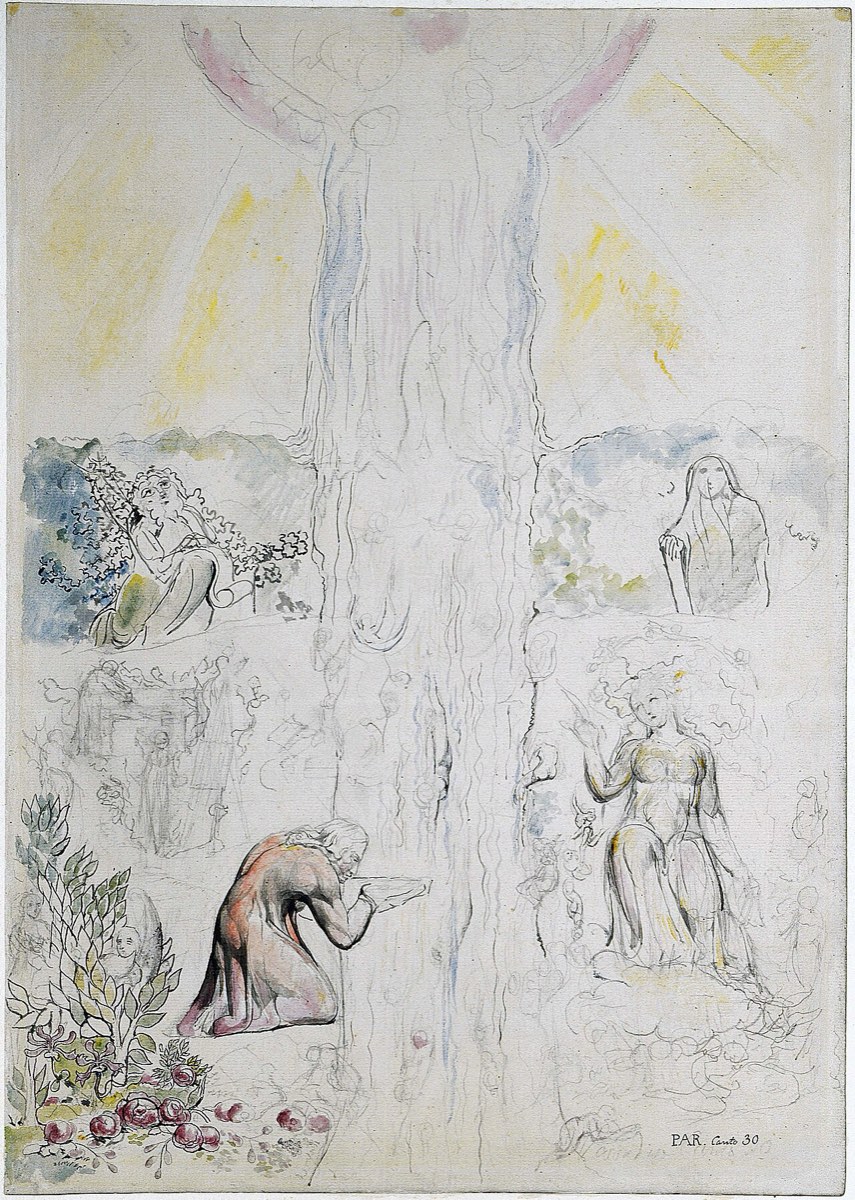
The candle and the bushel: Kardec on revealing truth in time
Kardec reads the image of the candle as a call to spread spiritual truth with patience, without forcing those not yet willing to listen.
· 3 min read · Sources

In 1 minute
- For Kardec, the light is spiritual and moral knowledge; the bushel is everything that hides it, including dogmas that block free inquiry.
- He explains the parables as language adapted to what listeners could understand; revelation is said to be gradual, generation by generation.
- To Spiritists he recommends patience and humility: not forcing unbelievers, seeking out those who desire the light, bearing criticism calmly.
Full article
A bushel was a grain measure, a container that, turned upside down over a flame, smothers it. In the image the Gospel of Matthew attributes to Jesus, no one lights a candle to cover it with one: its place is on a candlestick, from which it lights the whole house. Allan Kardec, the French educator who systematized Spiritist doctrine in the nineteenth century, starts from this scene in chapter 24 of The Gospel According to Spiritism (1864) to talk about truth, revelation, and the right moment to say each thing.
The claims about superior spirits and spiritual revelation belong to Spiritist doctrine, which treats them as truth, and they cannot be proven. The chapter's interest, for the outside reader, lies in the tension it describes: truth must be shared, but no one is obliged to receive it.
The light, the bushel, and the candlestick
In Kardec's reading, the light is spiritual and moral knowledge. The bushel is everything that hides or smothers it. The candlestick is the position from which that knowledge can reach others.
The image is completed with a warning. Those who put the candle under the bushel, the chapter says, are those who hold knowledge and hide it, religious institutions that forbid the free examination of ideas, and leaders who uphold dogmas in order to keep people in ignorance and dominate them.
Why parables
An attentive reader might find this strange: if the light is meant to be shown, why did Jesus speak in parables? The chapter turns to the answer the Gospel itself records, that many see without perceiving and hear without understanding. Kardec reads this as meaning that figurative language avoided the premature rejection of a truth the listeners were not yet ready to receive.
Hence the idea of gradation. Revelation needs to adapt to the understanding of whoever receives it, and each generation's capacity differs from the one before. In the chapter's formulation, blind faith wears down over time, while faith grounded in reason grows stronger.
The role Spiritism claims for itself
The doctrine presents itself as the light that illuminates the obscure points of Christ's teaching, clarifies what the parables left veiled, and explains the mysteries without turning them into dogma. Superior spirits, according to the text, reveal things one at a time, wait for the ground to be prepared, and avoid frightening humanity with truths it has not yet matured enough for.
The image used is that of the seed. In stony or dry soil it does not germinate, and that is why the chapter requires moral and intellectual maturity from whoever receives the truth. Each generation, in this reading, is soil still being formed.
Advice to Spiritists
Kardec's practical instructions call for moderation. Spiritists should not force the conversion of unbelievers or scoffers. They should seek out those who desire the light and spread the doctrine with humility, clarity, and patience.
The chapter also recalls Jesus's saying that the whole need no physician. He addressed the poor, the humble, and the sick of soul, not those who thought themselves masters of all knowledge. By the same logic, mediumship, for Kardec, is not a reward for the virtuous, but an instrument of spiritual healing for everyone, including the imperfect. Whoever receives the light and ignores it, he adds, answers for it.
Courage and the cross
The last part deals with the cost of standing by one's own convictions. The promise that whoever confesses Jesus before men will be confessed before the Father, from Matthew 10, is read as an invitation to live and affirm spiritual truth, unashamed of ideas that console, and to bear criticism, incomprehension, and persecution with serenity. A faith kept secret, the chapter says, is worth little.
The cross each person must take up, in Kardec's interpretation, consists of the trials, renunciations, and sacrifices that doing good requires. In exchange, what is lost in the world would be gained for the soul.
The light has already been lit, the text concludes. What remains is to see who lifts it out from under the bushel.
Sources and references for this article
Allan Kardec, O Evangelho Segundo o Espiritismo (The Gospel According to Spiritism), chapter 24
The Gospel According to Spiritism, Wikipedia (1864 publication and overview)Allan Kardec, WikipediaMatthew, chapter 5 (the candle and the bushel), Almeida Corrigida Fiel BibleMatthew, chapter 10 (confessing Jesus before men, taking up the cross), Almeida Corrigida Fiel BibleTranslated from Portuguese. This article was rewritten from a post on the original blog, in Portuguese. Read the original
Get the best articles of the week
One email a week, no spam. Unsubscribe anytime.
Read next
 Death and beyond · VideoAllan Kardec's “testament”: what is known and what is narrative
 Death and beyondHow Allan Kardec tested spirit messages and assembled the Spiritist codification
 Vedanta and YogaGita, lesson 20: consciousness isn't in the world, the world is in it
 Accounts and channelings · VideoAgarta, the Realm Esotericism Places Inside the Earth: Origins of a Belief
 Death and beyond · VideoWhat souls do after death, in a Spiritist view: work, study, and service