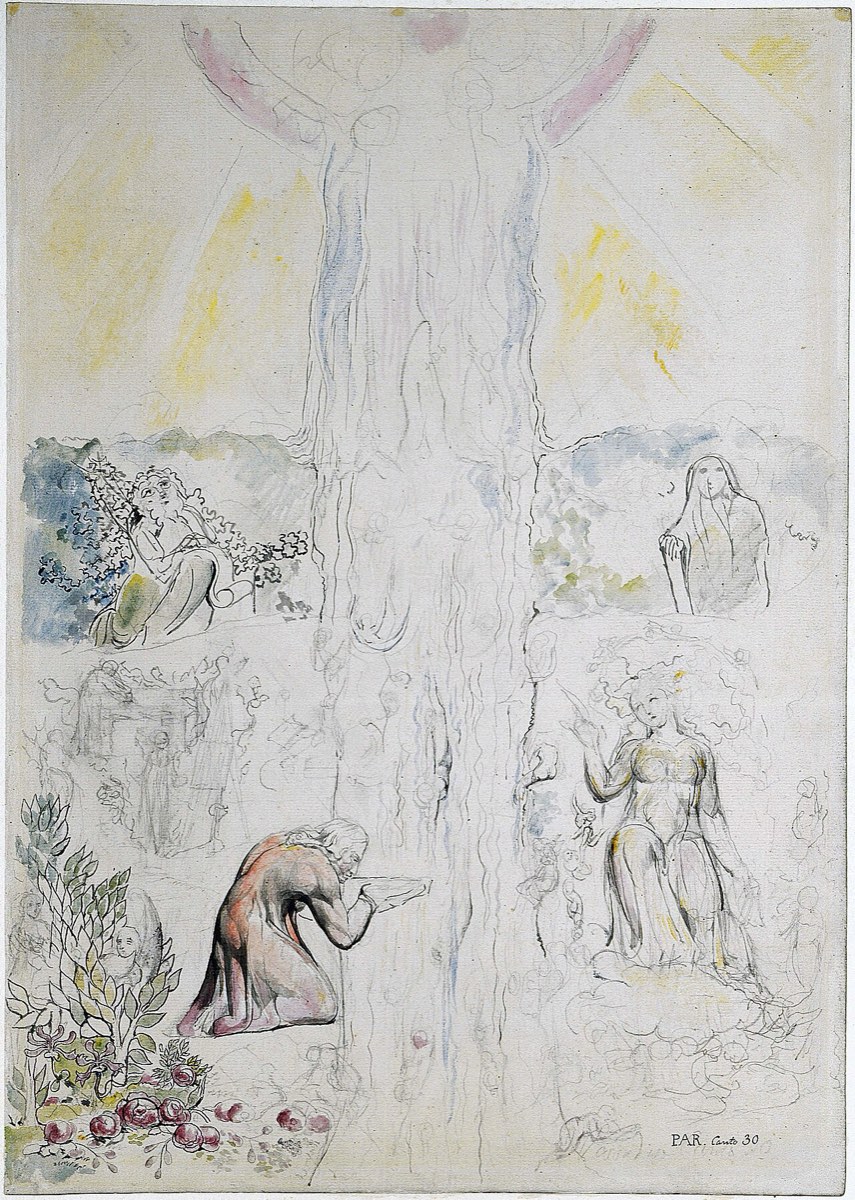
"Be ye perfect": for Kardec, a moral goal, not an absolute
Kardec reads the perfection Jesus asks for as a moral ideal within human reach, measured by one's love for others and reached in stages.
· 4 min read · Sources

In 1 minute
- For Kardec, the perfection Jesus asks for is a relative goal, within human reach, whose foundation is charity.
- The chapter describes the "good man" and the true Spiritist by criteria of conduct and moral transformation, not belief or phenomena.
- He uses the parable of the sower to say that teaching bears fruit only in prepared hearts; perfection is said to be reached in stages.
Full article
"Be ye therefore perfect, even as your Father which is in heaven is perfect." The line, from the Sermon on the Mount, seems to demand the impossible: how could limited beings reach the perfection of God? Allan Kardec, the French educator who systematized Spiritist doctrine in the nineteenth century, opens chapter 17 of The Gospel According to Spiritism by disarming the objection. This would not be about attaining divine perfection, but about following a relative ideal, within human reach, whose foundation is charity.
The chapter, like the whole book, published in 1864, brings together the author's commentary and messages attributed to spirits. The claims belong to Spiritist doctrine and fall within the realm of religious belief. Read as ethics, though, the text offers a portrait of character and a method of self-examination, and it is on that level that it interests readers who do not share the doctrine.
Perfection as full charity
For Kardec, Jesus defines human perfection as the complete practice of charity: loving one's enemies, praying for those who slander, doing good without expecting anything in return. Vices, from pride to selfishness, are said to be incompatible with it, because they weaken or destroy benevolence, indulgence, sacrifice, and devotion. In this reading, the further one's love for others reaches, the closer one is to moral perfection.
The portrait of the good man
The chapter describes in detail what it calls the good man. He lives by justice, love, and charity, and examines his own conscience with direct questions: did he do all the good he could, did he harm anyone unintentionally, did he treat others as he would like to be treated? He has faith in the future, values the goods of the soul, and accepts trials without revolt. He does good for its own sake, truly forgives, forgets wrongs, and does not answer with hatred. He is indulgent, because he knows he too has failings to overcome.
The true Spiritist, according to Kardec, is marked out the same way: by moral transformation, by the effort to overcome one's own imperfections, and by putting the Gospel into practice. Whoever is charmed only by the phenomena and does not change would be an imperfect Spiritist. It is a criterion that shifts the weight of the doctrine from belief to conduct.
The seed and the soil
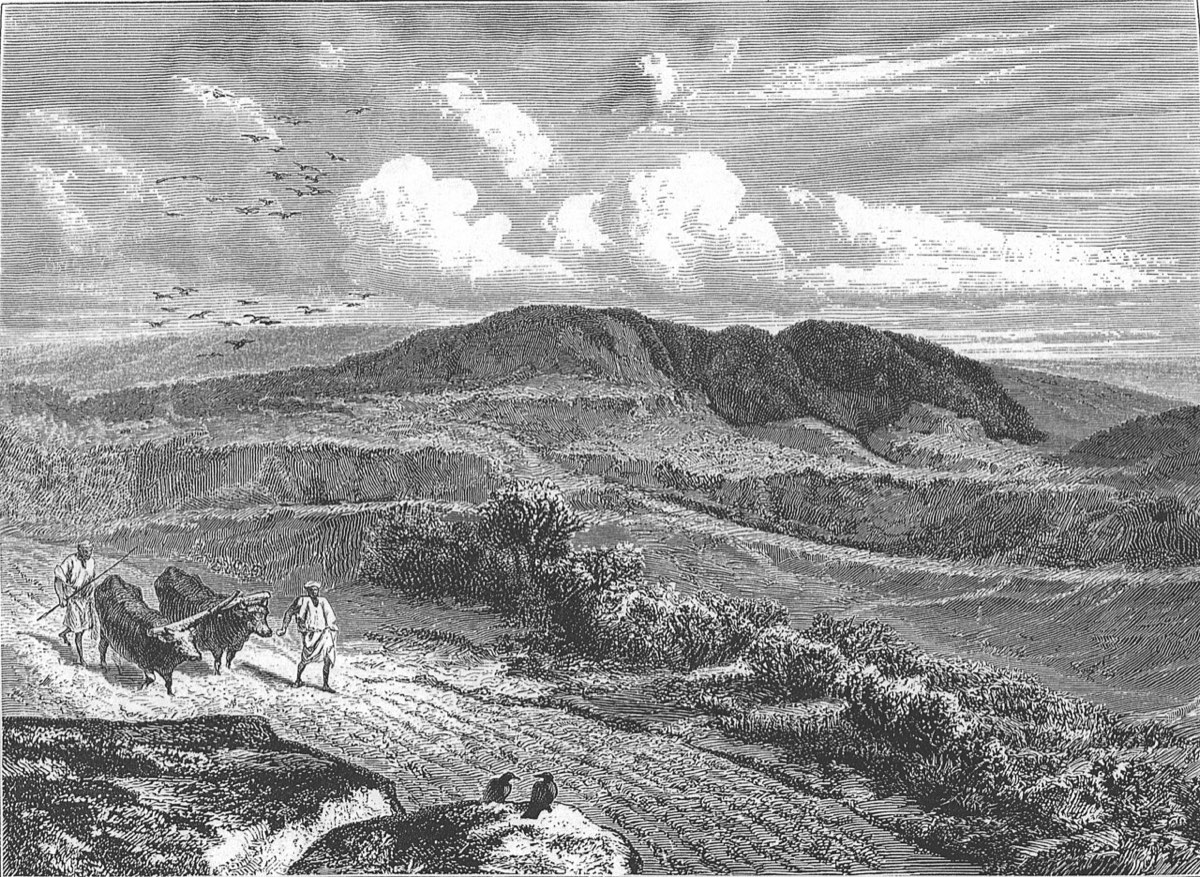
To explain why teaching bears fruit in some and not in others, the chapter turns to the parable of the sower. The seed by the wayside is heard and not understood. The one that falls on stony ground is received with enthusiasm but has no root. The one among thorns is choked by the cares of the world. Only the one that falls on good ground flourishes and bears fruit. The Spiritist word, Kardec applies, would take root only in prepared hearts.
Duty, virtue, and social standing
A message attributed to the Spirit Lazarus defines duty as a law of life imposed from within, a form of loving God and others. It would be quiet, costly, without witnesses and without a reward in sight. It would begin wherever another's peace is threatened and end wherever we would not want the same harm done to us.
On virtue, the text is direct: the authentic kind is humble, disinterested, and discreet. Whoever boasts of their own goodness has lost the merit, and true virtue is unaware of itself.
When the topic is authority, the chapter treats it as a mission entrusted by God. The one in charge must raise up those below, respect subordinates, and act as a shepherd, not a tyrant. Whoever abuses their position will answer for it. The subordinate, in turn, must carry out their duties diligently, even if the one in charge fails to.
In the world and in the body
A message attributed to a Guardian Spirit, dated Bordeaux, 1863, advises living with purity amid the world's frivolities: being in it without being of it, taking joy with serenity, and keeping inner vigilance. There would be no need to withdraw from the world to live with God. It would be enough to do everything with an elevated heart.
Another, signed by Georges, treats the body as the soul's instrument. It must be cared for with balance, and useless mortification does not lead to perfection. Living well, in this teaching, means harmonizing the body's needs with the soul's duties.
A goal, not a finish line
The chapter concludes that perfection is not an absolute, but a goal reached in stages, through charity, humility, and personal effort. In practical terms, it would mean loving more purely, forgiving more readily, and serving more joyfully, day after day.
Sources and references for this article
Allan Kardec, O Evangelho Segundo o Espiritismo (The Gospel According to Spiritism), chapter 17
The Gospel According to Spiritism, Wikipedia (1864 publication and overview)Allan Kardec, WikipediaMatthew, chapter 5 ("be ye therefore perfect"), Almeida Corrigida Fiel BibleTranslated from Portuguese. This article was rewritten from a post on the original blog, in Portuguese. Read the original
Get the best articles of the week
One email a week, no spam. Unsubscribe anytime.
Read next
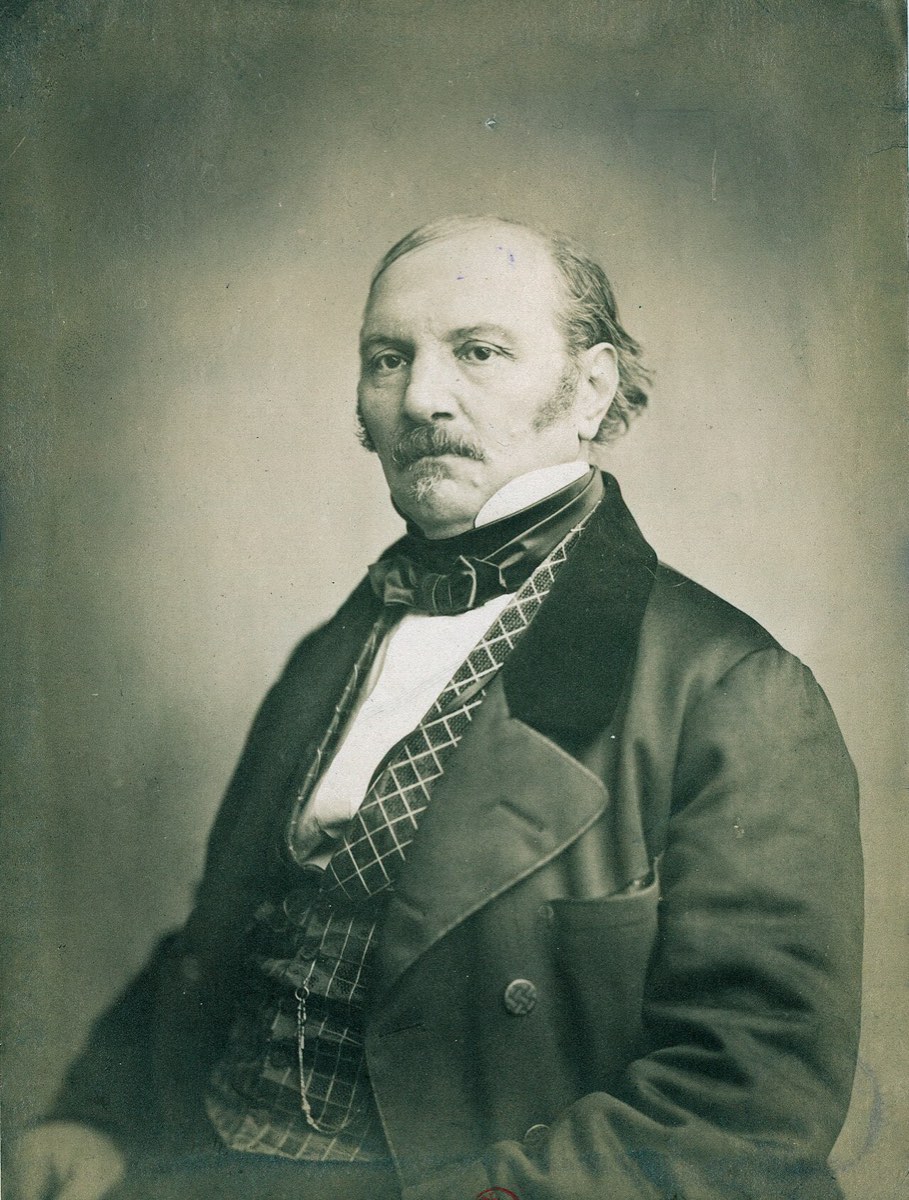 Death and beyondKardec, Socrates, and Plato: the morality of Christ separated from dogma in the Spiritist Gospel
 Death and beyond · VideoAllan Kardec's “testament”: what is known and what is narrative
 Vedanta and YogaGita, lesson 20: consciousness isn't in the world, the world is in it
 Accounts and channelings · VideoWho are you without your name? A talk on social identity and the "higher self"
 Death and beyond · VideoWhat souls do after death, in a Spiritist view: work, study, and service